From Tennis Champion to Golf Mentor: Juan Carlos Ferrero's New Journey
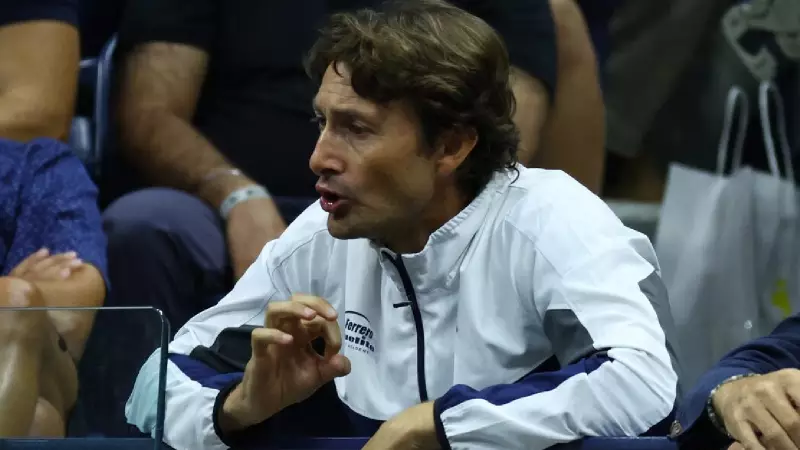
In a surprising career shift, former French Open champion Juan Carlos Ferrero has embarked on a new chapter as a mental coach for Spanish golfer Angel Aroya. This transition comes just over a month after Ferrero's high-profile separation from tennis superstar Carlos Alcaraz, marking a significant departure from the tennis courts where he built his legendary coaching reputation.
The End of an Era with Alcaraz
The conclusion of the 2025 tennis season witnessed the dissolution of one of the most successful player-coach partnerships in recent memory. Ferrero confirmed that contractual differences between their respective teams ultimately led to the end of his collaboration with Alcaraz. A week after the separation became official, Ferrero acknowledged these professional disagreements played a crucial role in terminating their association.
"After what happened with Carlos, ultimately it's about a change of scenery, something that I think is necessary, especially for a while," Ferrero explained to TenGolf, reflecting on his decision to explore new opportunities beyond tennis.

Entering the World of Golf
Ferrero's introduction to professional golf came through conversations with Juan Ochoa, Angel Aroya's primary coach. Ochoa extended an invitation for Ferrero to immerse himself in elite golf's unique demands and identify where his extensive experience could provide meaningful value.
"I spoke with Juan Ochoa, Ángel's coach, and they gave me a bit of an opportunity to delve a little deeper into the world of golf and see what is needed and required to compete at the highest level," Ferrero revealed. "It's a trial period, but I'm enjoying it. I must say I'm comfortable."
Focusing on Mental and Emotional Performance
While golf presents different technical challenges than tennis, Ferrero believes his primary contribution to Aroya's team lies in the psychological and emotional aspects of competition. His decades of experience on the professional tennis circuit provide him with unique insights into managing pressure and maintaining focus during high-stakes moments.
"My assistance with Ángel is mainly at a mental level – emotional management – which is very important in golf," Ferrero emphasized. "I think players are very accustomed to hitting very good shots, and when they hit a bad one, they punish themselves a lot. That's an area where a lot of work can be done."
Ferrero's observations highlight the psychological similarities between tennis and golf, both individual sports where momentum can shift dramatically within moments. The capacity to recover from errors and maintain composure often determines competitive outcomes in both disciplines.
Emotional Challenges of Transition
Despite embracing his new role, Ferrero admitted that watching Alcaraz compete without being part of his coaching team has presented emotional difficulties. Observing the world's top-ranked tennis player from the sidelines rather than the coaching box has evoked complex feelings.
"It's tough when you see Carlos competing, and you see your whole team sitting in the players' box. It's not easy, what you feel," Ferrero confessed. "I'm pleased with how he's been playing and with the fact that he hasn't dropped a set yet. He's at a high level."
Tennis Remains Central to His Life
Even as he explores golf's competitive landscape, Ferrero made clear that tennis continues to occupy a central position in his professional life. He maintains active involvement with his tennis academy and continues receiving offers from both men's and women's professional circuits.
"It is clear that in the end, tennis is my life and will continue to be," Ferrero affirmed. "I am still working in my tennis academy, and I am also receiving quite a few offers from the men's and even women's circuits."

For now, Ferrero appears content navigating this unexpected professional transition, where fairways have replaced baselines, yet the psychological battles remain equally intense and demanding. His journey represents a fascinating crossover between two elite individual sports, demonstrating how mental coaching expertise transcends specific athletic disciplines.