Tennis Pros Demand Season Overhaul as Injuries Mount from Grueling Tour Schedule
The relentless pace of the ATP Tour is pushing professional tennis players to their physical limits, with mounting injuries and calls for structural reform echoing across the locker rooms. From the opening serves in January to the final trophies in late November, the calendar spans continents, offering minimal recovery time. The expansion of Masters 1000 events to 12-day tournaments has further tightened mandatory commitments, exacerbating the strain on athletes.
Injury Toll Highlights Systemic Issues
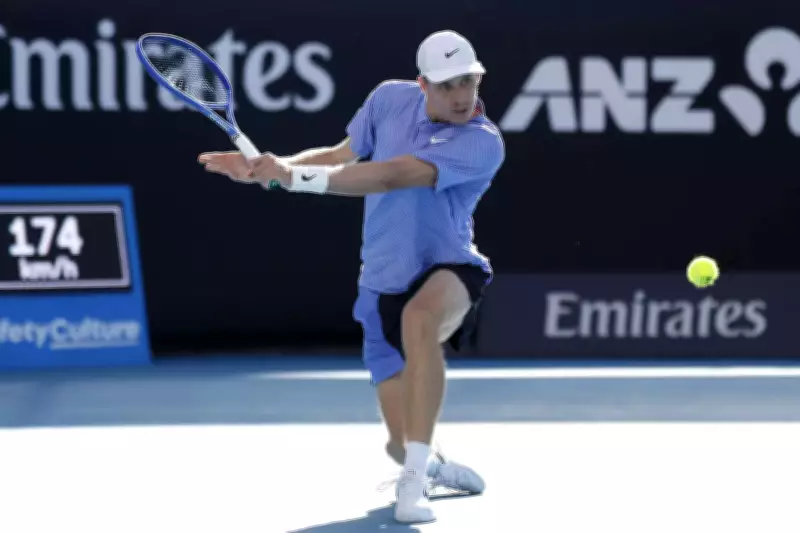
Young talents like Holger Rune and the gifted Frenchman Arthur Fils faced months-long absences in 2025 due to injuries, underscoring the tour's punishing demands. Denis Shapovalov, a 26-year-old left-hander who peaked at world No. 10 in 2020 before a knee injury sidelined him for six months, advocates for scheduled breaks. "There's really no time to rest, to be home, and to just take time and not think about the next competition," Shapovalov stated at the Dubai Duty Free Tennis Championships. "There should be some breaks in the season where there are no tournaments, allowing players to regroup."
Arthur Fils, aged 21, suffered a stress fracture in his lower back last June, returning only recently after a false start in July. "I was in so much pain. In the mornings, I could barely walk," he revealed. Ranked a career-best No. 14 when injured, Fils lost approximately seven kilograms during recovery. "Six months in a lifetime isn't much, but in tennis, it's almost a full season," he noted, emphasizing the need for attention to player welfare without placing the onus on athletes for solutions.

Mandatory Commitments and Ranking Pressures
The ATP's strict mandatory requirements compel top players to maintain a grueling schedule. Those finishing in the Top 30 must include results from all four Grand Slams and eight of nine Masters events in their rankings, barring medical exemptions, plus a minimum of four ATP 500 tournaments annually. This framework leaves little room for rest, as highlighted by former world No. 1 Daniil Medvedev.
"Last year when Holger got injured in Stockholm, everybody said he didn't have to play," Medvedev explained. "But if he aims for Turin (the ATP Finals), he must, even if it's not mandatory." Medvedev himself played seven consecutive tournaments last year, driven by ranking points. "I played poorly early on, so I chased points to improve seeding," he admitted.
Shapovalov reinforced this point, stating, "Unless you're a Top-10 player, it's tough to skip events because points are crucial. If you're not playing, someone else is; it's a constant battle."
Voices of Experience and Calls for Change
Veteran Stan Wawrinka, approaching 41, offers a reasoned perspective. "I always sacrifice tournaments to avoid overplaying, mentally and physically," he said. "I schedule for the long term, incorporating practice blocks to stay fresh." However, with only December offering a brief respite, the tour's non-stop nature makes it challenging for players to set boundaries, leading to an unending physical toll.
Fils observed the widespread impact, noting, "You visit the physio and see everyone there," reflecting the community's shared struggles. As injuries accumulate, players are increasingly vocal about the need for a shorter, more sustainable season to protect their health and careers.