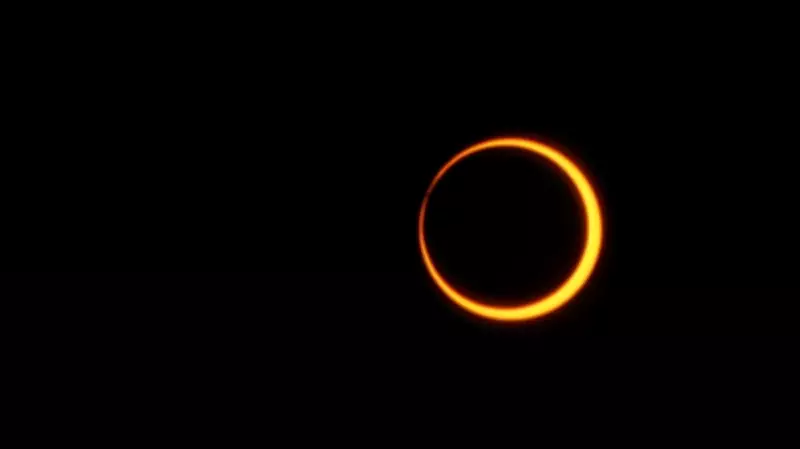
First Solar Eclipse of 2026: Annular Event on February 17
The year 2026 is set to be a spectacular one for astronomy enthusiasts, featuring not one but two solar eclipses. The first event, an annular solar eclipse, will occur on February 17, 2026, followed by a total solar eclipse on August 12, 2026. This celestial phenomenon offers a unique opportunity for skywatchers in India to witness a rare astronomical display.
When and Where to Watch the Eclipse in India
The annular solar eclipse on February 17 will be partially visible in certain regions of India. According to NASA and other scientific sources, the eclipse will begin in the morning hours, with the exact timings varying based on location. Key areas in northern and eastern India are expected to have the best views, though visibility may be limited in other parts of the country.
- Start Time: The eclipse will commence around sunrise, with the annular phase peaking later in the morning.
- Duration: The entire event, from partial to annular phases, will last several hours.
- Visibility: Cities like Delhi, Kolkata, and parts of Rajasthan may experience partial visibility, while the annular path does not directly pass over India.
How to Safely Watch the Solar Eclipse
Viewing a solar eclipse requires caution to prevent eye damage. Here are essential tips for safe observation:

- Use certified solar eclipse glasses or viewers that meet international safety standards.
- Do not look directly at the sun with naked eyes, binoculars, or telescopes without proper filters.
- Consider using pinhole projectors or other indirect methods to observe the eclipse safely.
- Check local weather forecasts and plan accordingly, as cloud cover can affect visibility.
This event highlights the importance of science education and public awareness about astronomical phenomena. As the first of two eclipses in 2026, it sets the stage for the total solar eclipse later in the year, which will offer a more dramatic view for global audiences.