High blood pressure can silently damage your body for years before you notice anything wrong. Many people live with hypertension without realizing it, going about their daily routines while their heart works overtime. This lack of awareness is dangerous because untreated high blood pressure significantly increases the risk of stroke, heart attack, and kidney disease.
The Global Burden of Hypertension
According to the World Health Organization, approximately 1.28 billion adults worldwide have high blood pressure, affecting about one in five people globally. The prevalence has risen sharply since the 1990s, particularly in low- and middle-income countries. Hypertension is now the leading modifiable risk factor for cardiovascular disease, contributing to roughly 10 million deaths annually and accounting for about 7% of the global disease burden.
The Awareness Problem
Only about 42% of adults with hypertension are aware of their condition. This means tens of millions of people are unknowingly at risk. The good news is that hypertension is both preventable and treatable. Lifestyle changes such as reducing salt intake, exercising regularly, losing weight, and managing stress can effectively lower blood pressure. Medications are also highly effective. However, none of these interventions work if the condition remains undiagnosed.

Why High Blood Pressure Is Called a Silent Condition
Dr. P Ashok Kumar, Senior Consultant in Interventional Cardiology at KIMS Hospitals in Bengaluru, explains: "Hypertension is a silent condition that develops over many years without obvious signs or symptoms. Many people assume they would feel sick if they had high blood pressure, but the first warning signs can be very subtle and easy to miss. By paying attention to small changes at home, individuals may detect signs before serious issues arise."
Here are early warning signs of hypertension that often appear during daily activities:
Morning Headaches
A common early sign is a headache, particularly in the morning. Occasional headaches are normal, but if you repeatedly wake up with a heavy or thumping headache at the back of your head, it could be due to elevated blood pressure. These headaches often improve as the day progresses, making it easy to attribute them to stress or lack of sleep.
Unexplained Fatigue
Unusual tiredness is another sign. High blood pressure forces your heart to work harder, which can leave you feeling exhausted even after adequate sleep. If everyday activities suddenly become more strenuous, it may be time to check your blood pressure.
Shortness of Breath
Breathlessness during routine tasks like climbing stairs, walking short distances, or doing housework can indicate that your heart and blood vessels are under strain.
Frequent Nosebleeds
While nosebleeds can result from dry air or allergies, frequent episodes without an obvious cause should not be ignored, especially if accompanied by other symptoms.
Blurred Vision
High blood pressure can affect blood vessels in the eyes, leading to temporary visual disturbances, difficulty focusing, or pressure around the eyes.
Poor Sleep Quality
Irregular sleep patterns, frequent waking during the night, or snoring may signal hypertension. Conditions like sleep apnea are often linked to high blood pressure and can worsen its effects.
Chest Pain or Discomfort
Any chest pain, discomfort, or tightness that occurs repeatedly should be taken seriously and evaluated by a doctor, even if it is not severe.
Irritability and Anger Issues
Chronic stress and anger can both contribute to and result from hypertension. Emotional changes may appear before physical symptoms.
What to Do
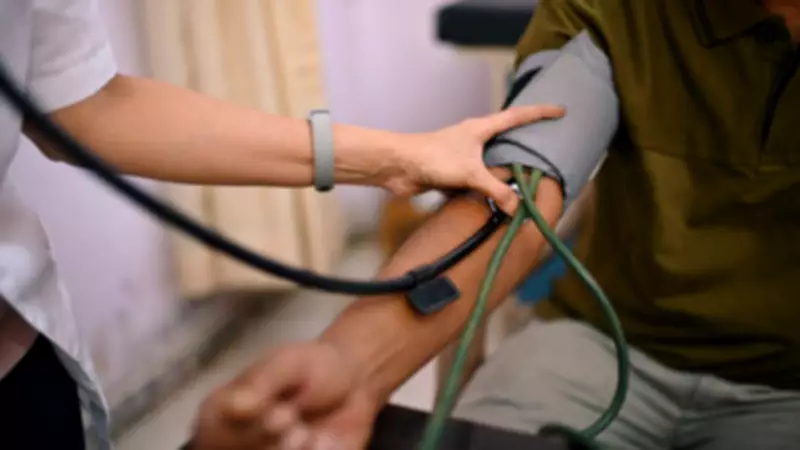
The best way to diagnose hypertension is to monitor your blood pressure regularly at home using a reliable monitor. Early detection allows you to make lifestyle changes such as reducing salt intake, exercising, managing stress, and improving sleep. Recognizing these subtle symptoms and acting on them can prevent serious complications like heart disease, stroke, and kidney damage. Paying attention to what your body tells you at home is the first step toward protecting your long-term health.