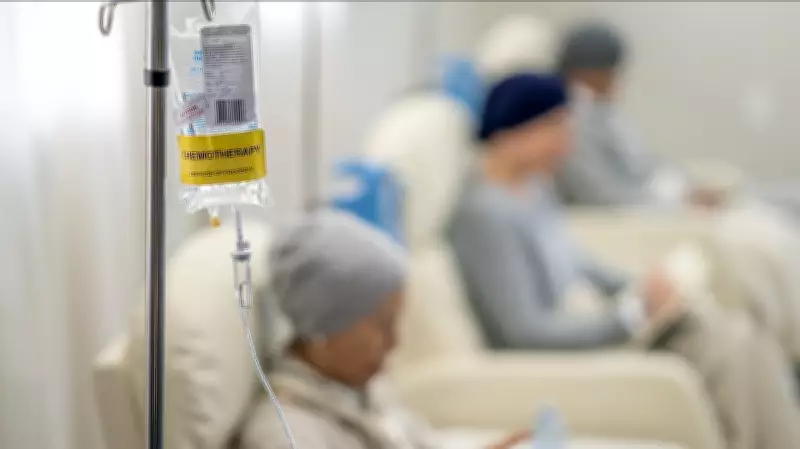
For decades, the adage 'what doesn't kill you makes you stronger' has been a source of inspiration. However, a recent perspective suggests that this may not hold true for standard cancer therapies. While traditional treatments like chemotherapy and radiation are irreplaceable in the fight against cancer, they are known to cause significant toxicity in the body. This toxicity can lead to long-term side effects, affecting patients' quality of life even after successful treatment.
The Paradox of Cancer Treatment
Cancer therapies are designed to destroy malignant cells, but they often damage healthy tissues in the process. This collateral damage can result in a range of adverse effects, from fatigue and nausea to more severe complications like organ damage and secondary cancers. The very treatments that save lives can also leave patients physically weakened and vulnerable.
Understanding Chemotherapy's Impact
Chemotherapy, a cornerstone of cancer treatment, works by targeting rapidly dividing cells. Unfortunately, it cannot distinguish between cancerous and healthy cells, such as those in the bone marrow, digestive tract, and hair follicles. This leads to common side effects like hair loss, mouth sores, and increased infection risk. More concerning are the long-term effects, including nerve damage, heart problems, and cognitive impairments often referred to as 'chemo brain.'

The Role of Toxicity in Treatment Outcomes
While toxicity is an accepted part of cancer therapy, researchers are increasingly focusing on ways to mitigate it. Newer approaches, such as targeted therapies and immunotherapies, aim to reduce collateral damage by specifically attacking cancer cells or boosting the immune system. However, even these advanced treatments can have side effects, and the quest for less toxic options continues.
Challenging the Adage
The notion that adversity builds strength may not apply to the physiological stress caused by cancer treatments. Instead of emerging stronger, many patients find themselves dealing with chronic health issues. This has led to a growing emphasis on survivorship care, which addresses the long-term physical and emotional effects of treatment.
Balancing Efficacy and Quality of Life
Oncologists strive to strike a balance between eradicating cancer and preserving patients' well-being. This often involves adjusting doses, combining therapies, and incorporating supportive care measures. The goal is not just to survive cancer but to thrive after treatment.
In conclusion, while traditional cancer therapies remain vital, their toxicity cannot be overlooked. The saying 'what doesn't kill you makes you stronger' may need rethinking in the context of cancer care. As research advances, the hope is to develop treatments that are both effective and less harmful, allowing patients to truly emerge stronger.