

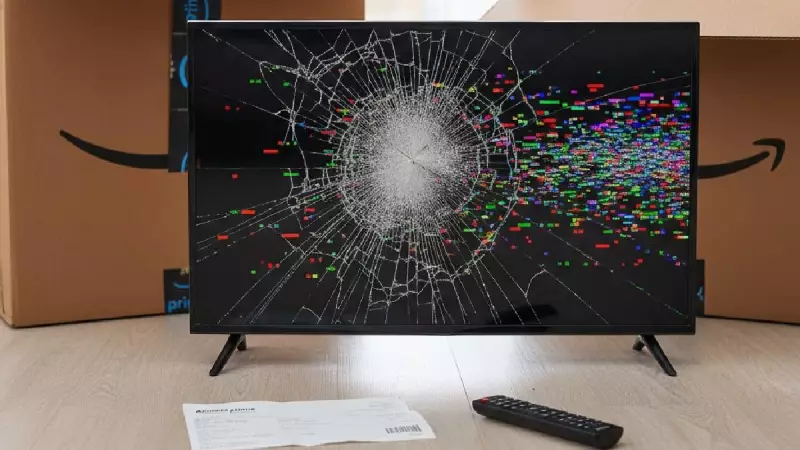
Consumer Court Orders Amazon to Refund Customer for Faulty Television
A consumer court in India has delivered a significant verdict against Amazon. The court has ordered the e-commerce platform to refund a customer who purchased a defective television. This decision marks a crucial win for consumers in the digital marketplace.
Details of the Case
The case involved a customer who bought a television from Amazon. The product arrived with serious defects. The customer reported the issue promptly. However, Amazon initially tried to avoid responsibility for the faulty item.
The company argued that it merely acts as an intermediary between buyers and sellers. Amazon claimed it should not be held liable for product quality issues. The consumer court firmly rejected this argument.

Court's Ruling and Implications
The court ruled that Amazon cannot escape liability for defective products sold on its platform. It emphasized that e-commerce companies have a duty to ensure the goods they facilitate are of acceptable quality. The judgment mandates Amazon to process a full refund to the customer.
This ruling sets a strong precedent for online shopping in India. It clarifies that platforms like Amazon bear responsibility for the products they list. Consumers now have clearer legal backing when facing issues with purchases from major e-commerce sites.
Broader Impact on E-commerce
The decision is expected to influence how all e-commerce operators handle customer complaints. Companies may need to strengthen their quality checks and return policies. Shoppers can feel more confident when buying expensive items online.
Legal experts view this as a landmark case. It underscores the growing accountability of digital marketplaces in consumer protection laws. The ruling reinforces that convenience in online shopping must come with reliable customer safeguards.
Amazon has not publicly commented on the verdict yet. The company may review its procedures in response to this legal directive. For now, the message to consumers is clear: their rights are protected even in the virtual shopping arena.






