

Australia Leads the Way in Restricting Children's Access to Social Media
In a landmark move, Australia became the first country in December to implement a comprehensive ban on social media access for children under the age of 16. This pioneering legislation targets major platforms such as Facebook, Instagram, YouTube, and others, setting a significant precedent for nations worldwide. The decision has sparked a wave of regulatory actions from Europe to Southeast Asia, as governments grapple with mounting concerns about the adverse effects of social media on young users.
Why Governments Are Taking Action Against Social Media for Kids
The global push to regulate children's social media use is fueled by a consistent set of alarming issues: cyberbullying, addiction, mental health deterioration, and exposure to online predators. Lawmakers across the globe are increasingly convinced that social media companies have failed to adequately protect young users on their own, leading to a consensus that legislative intervention is necessary. This has prompted a series of bans, debates, and age limit proposals in multiple countries.
Countries Implementing or Considering Social Media Restrictions
Here is a detailed look at the nations that are actively working to restrict social media access for children:


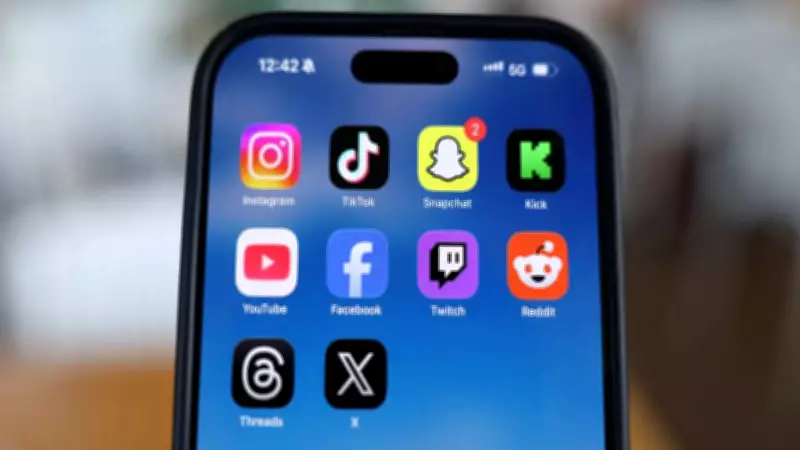
- Australia: Ban Already in Force – Australia's law, the first of its kind globally, prohibits children under 16 from accessing platforms including Facebook, Instagram, Snapchat, Threads, TikTok, X, YouTube, Reddit, Twitch, and Kick. Notably, it excludes WhatsApp and YouTube Kids. Social media companies must employ multiple verification methods to enforce this ban, facing fines of up to $49.5 million AUD (approximately $34.4 million) for non-compliance.
- Denmark: Ban Expected by Later This Year – Denmark is reportedly preparing to ban social media for children under 15, with implementation potentially by mid-2026. The government announced in November 2025 that it has secured cross-party support in parliament. Additionally, the digital affairs ministry is developing a "digital evidence" app with built-in age verification tools.
- France: Passed Lower House – French lawmakers passed a bill in January to ban social media for children under 15. President Emmanuel Macron supports this measure as a strategy to combat excessive screen time among youth. The bill now awaits approval from the Senate before a final vote in the lower house.
- Germany: Ban Under Discussion – In early February, German Chancellor Friedrich Merz's bloc proposed a ban on social media for children under 16. However, some coalition partners have expressed hesitation about an outright ban, indicating ongoing debates.
- Greece: Announcement Said to Be Soon – According to Reuters reports from early February, Greece is close to announcing a ban on social media for children under 15, though no formal legislation has been introduced yet.
- Indonesia: Ban Planned for Under-16s – Indonesia recently announced plans to ban children under 16 from social media and popular online platforms, starting with YouTube, TikTok, Facebook, Instagram, Threads, X, Bigo Live, and Roblox.
- Malaysia: Implementation Expected This Year – Neighbouring Malaysia announced in November 2025 its intention to ban social media for children under 16, with the government committing to roll out the ban within 2026.
- Slovenia: Legislation Being Drafted – Reports indicate that Slovenia is drafting legislation to ban children under 15 from accessing social media, specifically targeting platforms like TikTok, Snapchat, and Instagram.
- Spain: Awaiting Approval – Spain's prime minister announced in early February plans to ban social media for children under 16, but the measure still requires parliamentary approval to become law.
- United Kingdom: Ban Under Consultation – The UK government is considering a ban on social media for children under 16. Officials plan to consult with parents, young people, and civil society before making a decision. Additionally, they are exploring options to require platforms to limit or remove features that encourage compulsive use.
This global trend underscores a growing recognition of the need to safeguard children's well-being in the digital age, with Australia's bold step serving as a catalyst for international action.





