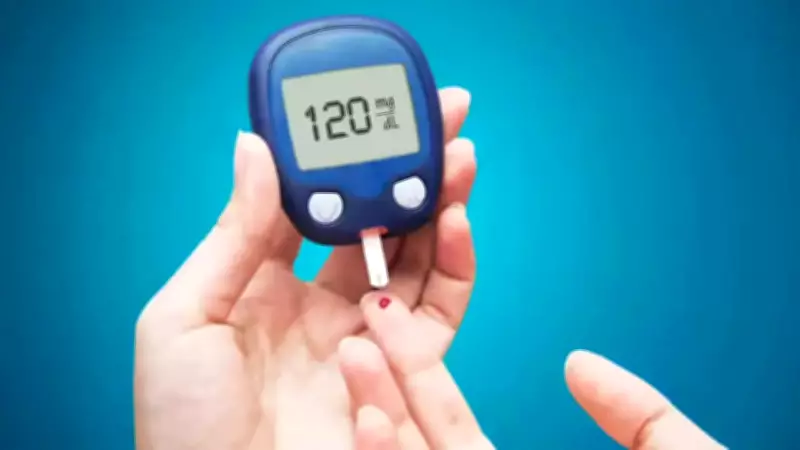
Researchers at the BITS Pilani Hyderabad campus have developed a miniature plug-and-play sensor capable of simultaneously monitoring insulin and dopamine levels in real time. This innovation marks a significant step forward in diabetes management and personalized healthcare.
Addressing the Diabetes Crisis
The development comes amid growing concerns over diabetes, with India reporting more than 101 million confirmed cases. This has increased the demand for affordable and efficient diagnostic tools. The portable sensor, developed at the MMNE (MEMS, Microfluidics and Nano electronics) Lab, can detect minute changes in insulin and dopamine levels with remarkable accuracy.
Technology Behind the Sensor
The device uses titanium dioxide nanofibres coated on a carbon-cloth surface, enhancing conductivity and sensing performance. Unlike conventional diagnostic methods that rely on bulky and expensive laboratory equipment, the newly developed sensor is portable, low-cost, and easy to use, said Ramya K, lead author of the study.

Researchers noted that monitoring insulin alone may not provide a complete picture of diabetes management, as dopamine also influences insulin secretion and sensitivity. By tracking both molecules together, doctors may better understand a patient’s metabolic condition and personalize treatment more effectively, she explained.
Dual Sensor for Diabetes Monitoring
According to the research team, the sensor demonstrated ultra-high sensitivity, detecting insulin at picomolar levels and dopamine at nanomolar levels, while maintaining over 99% performance stability during extended testing. The team engineered the carbon-cloth surface with TiO2 nanofibres to accurately distinguish between insulin and dopamine on a single platform, said co-researcher Yuvraj Maphrio Mao. Our design enables simultaneous detection of both biomolecules with high precision despite their different electrochemical behaviors.
The team added that the device was designed to be leakproof, durable, and user-friendly for both clinical and home-care settings. Professor Sanket Goel, chair professor and principal investigator at the MMNE Lab, described the innovation as a major advancement towards integrated real-time biomedical monitoring and next-generation personalized healthcare tools.
The findings were published in the IEEE Sensors Journal.