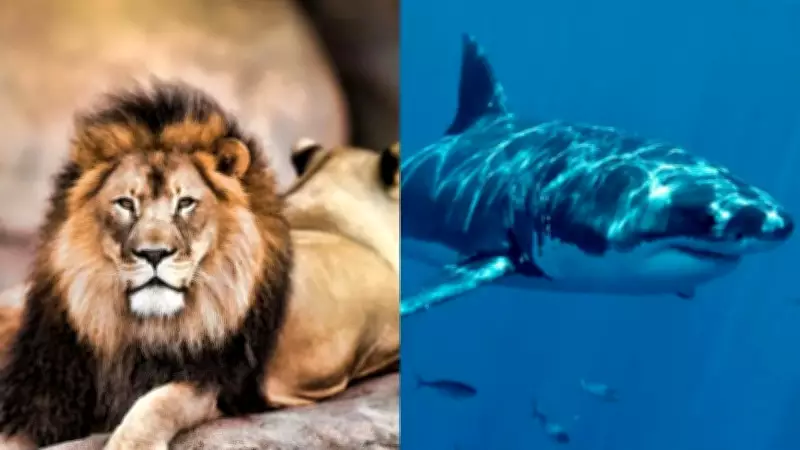
When considering dangerous animals, most people envision a great white shark in the ocean, a lion on the African plains, or a venomous snake. However, the reality is quite different. The animals responsible for the highest number of human deaths each year are typically small, easily overlooked, and sometimes microscopic. They do not rely on fangs or strength but on spreading diseases.
Mosquitoes: The Top Killer
Globally, mosquitoes rank as the deadliest animals by a wide margin. According to the CDC, mosquitoes cause between 725,000 and one million deaths annually through diseases like malaria, dengue fever, yellow fever, chikungunya, and Zika. In 2023 alone, malaria claimed nearly 600,000 lives. While sharks kill only a handful of people each year, mosquitoes kill thousands daily.
Freshwater Snails: Silent Vectors
Freshwater snails may not bite or sting, but they transmit schistosomiasis, a parasitic infection affecting millions. The parasites released by snails infect humans through contaminated water, causing organ damage and complications. Studies estimate that freshwater snails cause around 14,000 deaths annually, highlighting how harmless-looking creatures can be deadly disease vectors.

Kissing Bugs: Nighttime Threats
Despite their innocent name, kissing bugs spread Chagas disease, prevalent in the Americas. These insects bite sleeping people around the mouth, transmitting parasites that can lead to severe heart and digestive issues years later. Kissing bugs kill thousands each year, operating subtly over long periods, making them harder to detect but no less dangerous.
Sandflies: Tropical Menace
Sandflies transmit leishmaniasis, which can cause skin ulcers or fatal internal organ damage. Each year, thousands succumb to sandfly-borne diseases, particularly in tropical and subtropical regions where conditions favor both the flies and the parasites they carry.
Parasitic Worms: Internal Killers
Roundworms, tapeworms, and other parasitic worms infect millions worldwide. While many cases are treatable, severe infections lead to malnutrition, tissue damage, neurological problems, and death. These internal predators contribute to significant mortality annually, operating from within rather than through external attacks.
Why Sharks and Lions Seem More Frightening
Human risk perception is often biased. Shark and lion attacks are rare but dramatic, capturing public attention instantly. In contrast, mosquito-borne diseases like malaria or parasitic infections affect remote communities silently over weeks or months. Psychologists call this the availability heuristic: people overestimate vivid, memorable dangers while underestimating familiar, less sensational risks. Thus, many fear sharks more than mosquitoes, even though mosquitoes kill far more people daily.
The deadliest species are not the biggest or strongest. Their danger lies in their ability to exploit biology against us. From mosquitoes and sandflies to snails and worms, nature's most lethal threats often come from small, unassuming creatures. Their power is not in teeth or claws but in transmitting disease-causing organisms throughout human populations.
Disclaimer: Death estimates are based on data from public health organizations, scientific studies, and widely cited reports. In many cases, animals like mosquitoes, dogs, and snails do not directly kill humans but act as carriers or hosts for fatal diseases.