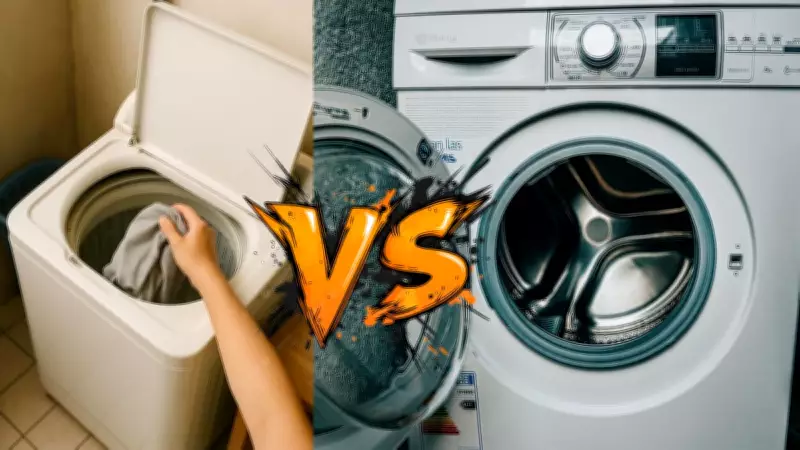
When it comes to choosing a washing machine, one of the most common dilemmas is whether to go for a front load or a top load model. Both have their advantages, but when it comes to saving electricity and water, the differences are significant. This article compares front load and top load washing machines to help you make an informed decision.
Electricity Consumption
Front load washing machines are generally more energy-efficient than top load models. They use about 30% less electricity on average. This is because front loaders have faster spin speeds, which extract more water from clothes, reducing drying time. Additionally, they use less hot water, which further cuts energy usage. Top load machines, especially those with agitators, tend to use more electricity due to longer wash cycles and less efficient water extraction.
Water Usage
Front load washing machines are clear winners when it comes to water conservation. They use approximately 50% less water than top load machines. A typical front loader uses about 13 to 17 gallons of water per load, while a top loader can use 20 to 30 gallons. The horizontal drum design of front loaders allows clothes to tumble through a small amount of water, making them highly efficient. Top loaders, on the other hand, require a full tub of water to submerge clothes.

Other Factors to Consider
Initial Cost
Front load machines are generally more expensive upfront, costing 20% to 30% more than top load models. However, the long-term savings on water and electricity bills can offset this initial investment.
Maintenance
Front loaders require more maintenance to prevent mold and mildew buildup due to their rubber gaskets. Top loaders are easier to maintain and have fewer issues with odor.
Capacity and Performance
Front loaders typically offer larger capacity and better cleaning performance with less wear and tear on clothes. Top loaders are easier to load and unload without bending, and they have shorter wash cycles.
Conclusion
For those prioritizing electricity and water savings, a front load washing machine is the better choice. It uses significantly less water and electricity, leading to lower utility bills and a smaller environmental footprint. However, if upfront cost and ease of maintenance are more important, a top load machine may be suitable. Ultimately, the decision depends on individual needs and budget.