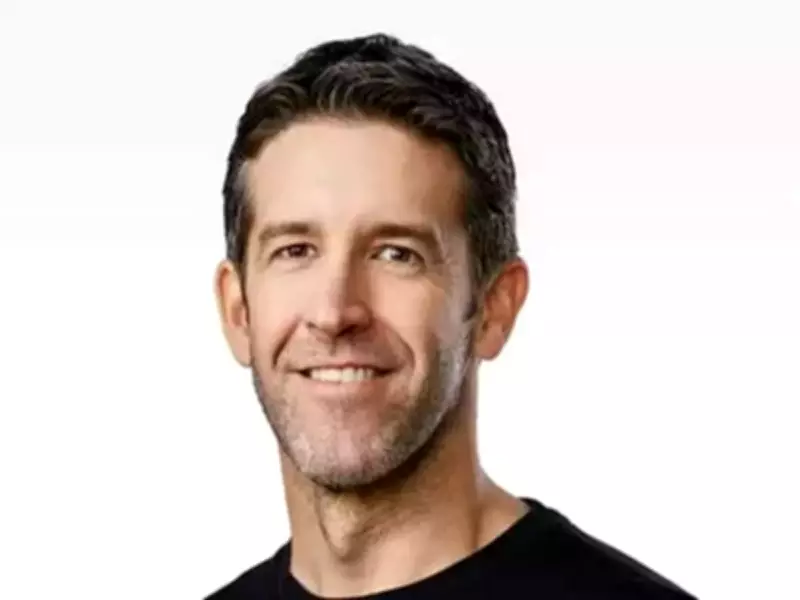
Apple Announces Leadership Transition: John Ternus to Become CEO in 2026
In a major corporate reshuffle, Apple has revealed that John Ternus will take over as the new Chief Executive Officer on September 1, 2026, succeeding Tim Cook. Cook, who has led the technology giant for an impressive 15 years, will shift to the role of executive chairman for the board, marking a significant change in the company's leadership structure. This transition, unanimously approved by the Board of Directors, results from a carefully planned, long-term succession strategy aimed at ensuring continuity and innovation.
Tim Cook's New Role and Transition Period
Tim Cook will continue serving as CEO through the summer of 2026, working closely with John Ternus to facilitate a smooth handover. As executive chairman, Cook will focus on specific corporate areas, including engaging with global policymakers and providing strategic guidance. This move allows Cook to leverage his extensive experience while Ternus steps into the top operational position, ensuring Apple maintains its competitive edge in the dynamic tech landscape.
John Ternus: Career Background and Achievements at Apple
John Ternus joined Apple in 2001 as a member of the product design team, bringing a robust background in mechanical engineering. He earned a Bachelor's degree in Mechanical Engineering from the University of Pennsylvania and began his career at Virtual Research Systems, where he contributed to advanced virtual reality technologies. Rising through the ranks, Ternus became a vice president of Hardware Engineering in 2013 and later served as senior vice president, playing a pivotal role in shaping Apple's iconic products.

- Oversaw hardware engineering for groundbreaking products across all categories, including iPhone, Mac, iPad, AirPods, and Apple Watch.
- Instrumental in launching multiple new product lines, such as the iPad and AirPods, and driving innovations in Mac that boosted its global popularity.
- Led the introduction of the MacBook Neo, an all-new laptop designed to make the Mac experience more accessible worldwide.
- Recently showcased a redefined iPhone lineup, featuring the powerful iPhone 17 Pro and Pro Max, the thin and durable iPhone Air, and the upgraded iPhone 17.
Challenges Facing Apple's Next CEO
As John Ternus assumes the CEO role, he inherits a company at a critical juncture. While Apple has achieved tremendous success with products like iPhones and AirPods, it faces significant hurdles in emerging technologies. According to Bloomberg, the company has struggled in areas such as:
- Mixed Reality: Lagging behind competitors in developing immersive technologies.
- Generative AI: Apple's investments in artificial intelligence are notably lower than rivals like Meta, Amazon, Alphabet, and Microsoft.
- Smart Home and Autonomous Vehicles: Challenges in expanding into these innovative sectors.
Technical difficulties have delayed Apple's AI-enabled Siri, originally planned for 2025, pushing its release to 2026 or later. Additionally, the company has lost several senior AI team members since January, with many joining Meta's AI and Superintelligence Labs amid intense talent competition.
Financial Performance and Broader Organizational Changes
Despite these concerns, Apple anticipates strong end-of-year sales, with year-on-year revenue growth projected at 10% to 12% for the holiday quarter ending in December, driven by the iPhone 17 model release. The company's shares are trading near an all-time high following robust October earnings, though its approximately 12% stock price increase this year trails behind Big Tech rivals such as Alphabet, Nvidia, and Microsoft.

The leadership reshuffle extends beyond the CEO position. Johny Srouji, Apple's silicon architect, has been promoted to chief hardware officer, taking over Ternus's previous portfolio. Tom Marieb will now handle day-to-day hardware engineering, reporting to Srouji. Furthermore, Ternus will join Apple's board on September 1, 2026, while Arthur Levinson, the non-executive chairman for the past 15 years, transitions to lead independent director on the same date, reinforcing the board's governance structure.