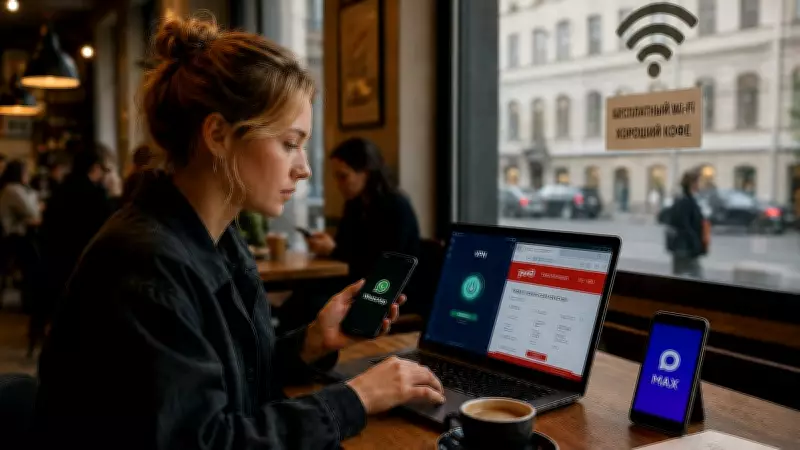
Since the Kremlin tightened its grip on the internet this year, Russians have increasingly turned to convoluted technical solutions to evade state monitoring and restrictions on popular foreign apps like Meta Platforms' WhatsApp and the Telegram messenger.
How Russians Bypass Internet Restrictions
Citizens are using two phones and specialized applications to skirt the digital iron curtain imposed by President Vladimir Putin's administration. The measures have become more sophisticated as the government ramps up control over online communications.
Technical Workarounds
One common method involves using a primary phone for daily activities and a secondary device equipped with VPNs and proxy services to access blocked platforms. This dual-device strategy helps users maintain access to WhatsApp and Telegram while avoiding detection.

Other users rely on apps that encrypt traffic or route connections through foreign servers, making it harder for authorities to monitor conversations. However, these solutions require constant updates as the government deploys new blocking technologies.
Government Crackdown
The Kremlin has justified increased internet controls as necessary for national security and combating disinformation. Critics argue that the restrictions stifle free speech and limit access to independent information.
Despite the risks, many Russians continue to seek ways to communicate freely. The cat-and-mouse game between authorities and tech-savvy citizens shows no signs of slowing down.