

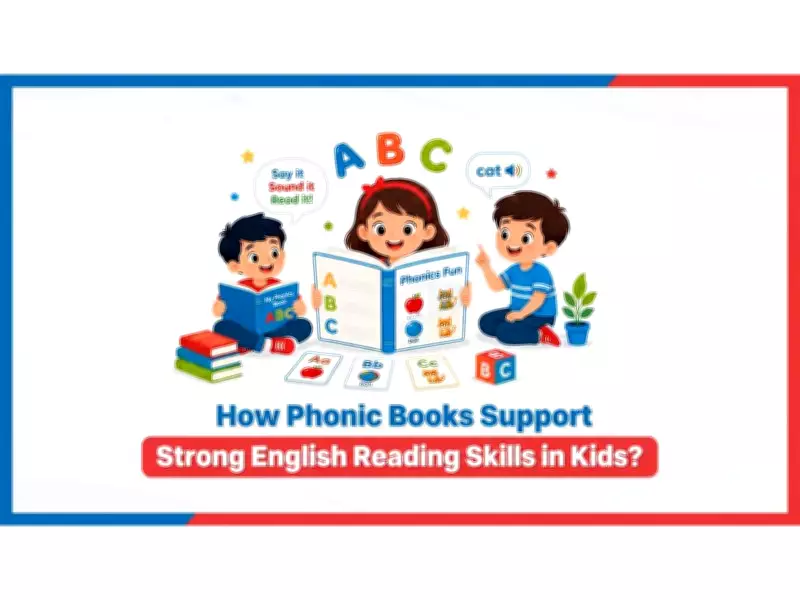
Phonic books are proving to be an essential tool in developing strong English reading skills among children. These books, which emphasize the relationship between sounds and their spellings, provide a structured approach to literacy that benefits young learners.
What Are Phonic Books?
Phonic books are specially designed reading materials that focus on phonics—the method of teaching reading by correlating sounds with letters or groups of letters. They typically use a systematic progression, introducing simple sounds first and gradually building up to more complex phonemes. This approach helps children decode words independently, fostering confidence and fluency.
Key Features of Effective Phonic Books
- Systematic Structure: Books follow a logical sequence, starting with basic letter-sound correspondences and advancing to digraphs, blends, and multi-syllable words.
- Decodable Text: Stories are written using words that children can sound out based on the phonics they have learned, reducing frustration and promoting success.
- Engaging Content: Illustrations and narratives capture children's interest, making the reading process enjoyable and motivating.
Benefits for Children
Research shows that phonics-based instruction significantly improves reading accuracy and comprehension. Phonic books offer several advantages:

- Stronger Decoding Skills: Children learn to break down unfamiliar words into their component sounds, a foundational skill for reading.
- Increased Fluency: Regular practice with decodable texts leads to smoother, more automatic reading.
- Improved Spelling: Understanding sound-spelling patterns enhances spelling ability.
- Boosted Confidence: Success in reading early on encourages a positive attitude toward learning.
How Parents and Educators Can Use Phonic Books
To maximize the benefits, it is important to choose books that match a child's current phonics knowledge. Parents and teachers should read alongside children, offering guidance and praise. Additionally, incorporating multi-sensory activities—such as tracing letters while saying sounds—can reinforce learning.
Phonic books are not just for struggling readers; they benefit all children by providing a solid foundation in literacy. With consistent use, these books can transform a child's reading ability, setting them up for academic success.






