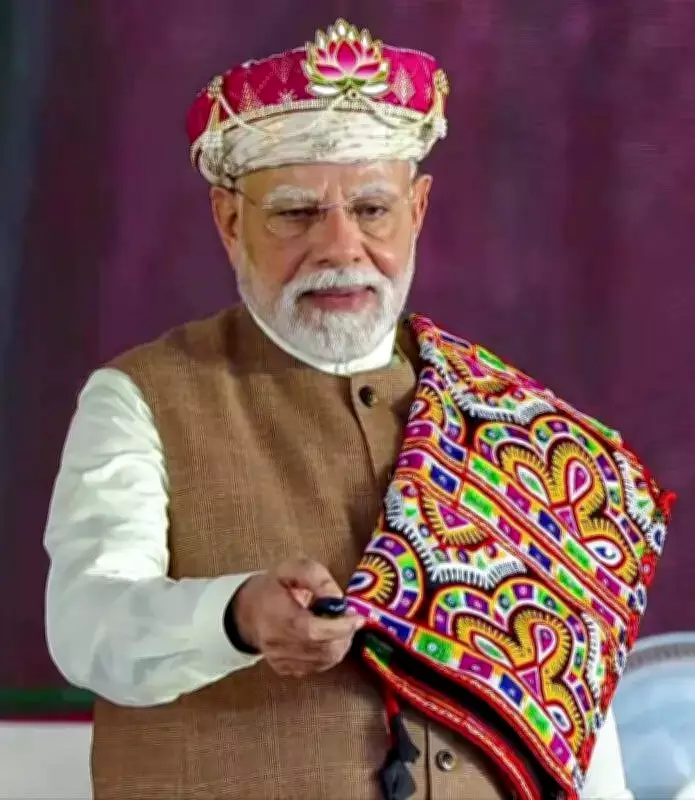
Chhatrapati Sambhajinagar: A suggestion by Prime Minister Narendra Modi urging schools to consider temporary online classes amid a potential fuel crisis triggered by the Iran-US conflict has drawn sharp opposition from parents and education experts, who argue that virtual learning is ineffective and unnecessary in the current situation.
PM Modi's Advisory on Online Classes
In a public address in Hyderabad on Monday, PM Modi had stated, "I will appeal to schools also that for some time, they should work on arrangements for online classes," citing concerns over fuel availability. However, the appeal has not translated into any formal directive. Senior education department officials clarified that the suggestion was advisory in nature. "There are no instructions from govt asking to switch over the virtual mode of education," said a senior official, requesting anonymity.
Parents Express Strong Disapproval
Parents have strongly criticised the proposal, pointing to the academic losses suffered during the Covid-19 pandemic when schools were shut and classes shifted online. "I was shocked to hear the PM recommending online classes for students. We all know educational losses incurred by students during the times of Covid pandemic despite such virtual classes were on. I pray that schools and colleges do not follow the measure suggested by the PM," said Vaishali Kale, a parent. Another parent, Amar Shelar, argued that the education sector should be exempt from any austerity measures linked to the fuel crisis. "Online education was imperative during the Covid pandemic. Such is not the scenario at present as the crisis is not worsened to the extent of planning austerity measures involving the education sector," he said.

Educationists Warn Against Virtual Learning
Educationists echoed similar concerns, warning against reverting to virtual modes. Dr Shrirang Deshpande, general secretary of Shri Saraswati Bhuvan Education Society, said the experience of online learning during the pandemic had been largely ineffective. "Due to its different limitations, online education indirectly caused academic losses of students. The use of mobiles, tabs and computers for daily learning will increase the screen-time of children which is another big issue," he said. Deshpande also flagged the digital divide, stating that students in rural areas lack the infrastructure needed for online education, making such a shift impractical.
The proposal comes amid rising tensions between Iran and the US, which have raised concerns about global oil supplies and potential fuel shortages in India. While the government has assured that fuel stocks are adequate, the PM's suggestion has sparked a debate on the preparedness of the education system to handle such contingencies.