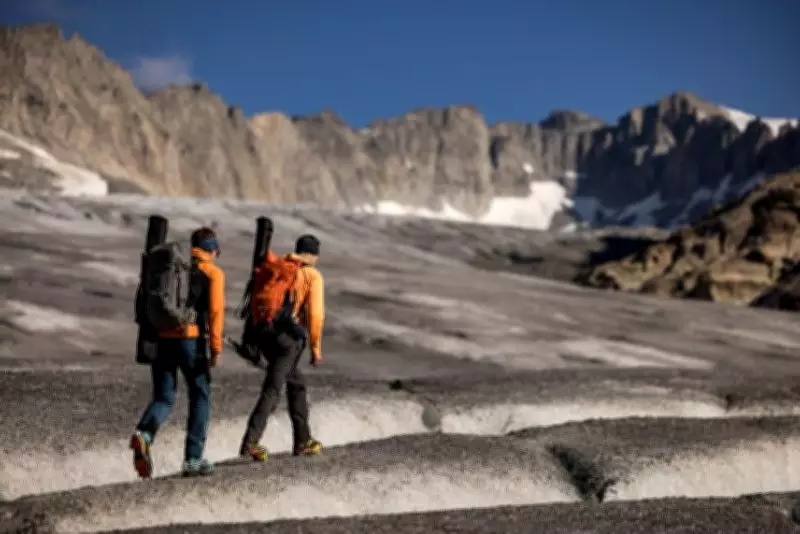
Glaciologists have reported that snow cover on Swiss glaciers disappeared weeks earlier than usual in the summer of 2026, driven by a punishing European heatwave. This phenomenon has pushed the Alpine region toward another year of severe ice loss, according to scientists.
On June 29, the Rhone Glacier in southern Switzerland reached what researchers call 'Glacier Loss Day' — the critical point when the winter snowpack has completely melted, exposing the underlying ice to direct melting. Matthias Huss, director of Glacier Monitoring Switzerland (GLAMOS), emphasized the gravity of the situation, stating that three months of summer remain for ice that took decades or centuries to form to be lost. 'This is really a worrying situation,' he said.
Accelerated Melt Due to Heatwaves and Low Snowfall
This year, two heatwaves combined with below-average winter snowfall accelerated the arrival of Glacier Loss Day to its second-earliest date on record. The earliest occurred in 2022, just three days earlier. During the June heatwave alone, meltwater from all Swiss glaciers could have filled an Olympic-sized swimming pool every six seconds for two weeks, according to Huss.

'The glaciers are in a very bad state at this time of the year,' Huss said. 'We are almost as critical as in the record-breaking year 2022.' One monitoring station on the Rhone Glacier recorded an ice loss of approximately 1.5 meters (5 feet) over a two-week period of extreme heat.
Visible Impact on Tourists and Scientists
The rapid retreat of the glaciers is starkly visible to visitors. German tourist Harry Block, who has been visiting the Rhone Glacier for 50 years, became emotional at the sight. 'I can cry,' he said, describing how the glacier, once 80 meters high, has shrunk dramatically. 'Here you see climate change. This is climate change.'
The data from GLAMOS underscores the accelerating trend of glacier retreat in the Alps, with implications for water supply, hydropower, and tourism. Scientists warn that continued heatwaves and reduced snowfall could lead to unprecedented ice loss in the coming years.