

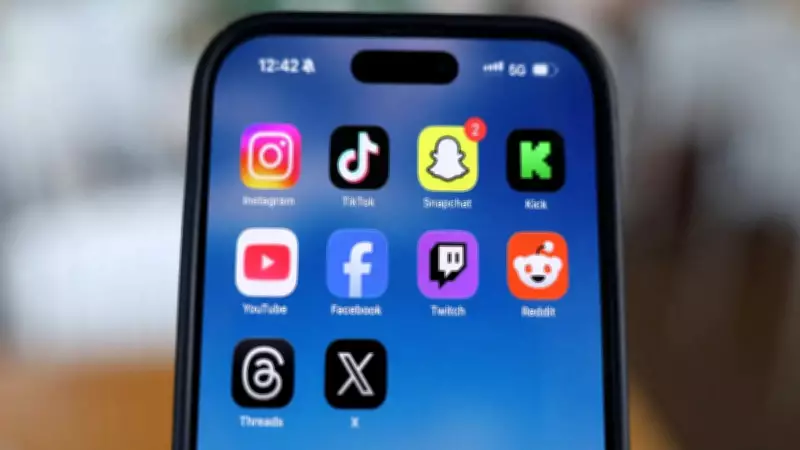
Tech Giants YouTube and TikTok Confirm Discussions with Indonesian Government on Child Social Media Ban
Major technology companies YouTube and TikTok have reportedly confirmed that they are actively engaging in discussions with the Indonesian government. This follows an announcement by Communications and Digital Minister Meutya Hafid last week regarding a new regulation designed to block social media access for children under the age of 16. The move aims to safeguard minors from what the government describes as "high-risk" digital environments.
Details of the New Regulation and Its Implementation
Under the new rule, which is set to take effect starting March 28, social media platforms will be required to begin deactivating accounts for users under 16 years old, as reported by the news agency Reuters. The Indonesian government has identified several major platforms as "high risk" under this ministerial regulation. These include:
- TikTok, owned by ByteDance
- YouTube, owned by Google
- Instagram and Facebook, both owned by Meta
- Roblox
The deactivation process will be implemented gradually, according to the ministry, to minimize disruption while enforcing the ban.

Responses from Technology Companies
The tech industry is reacting with a combination of cooperation and caution to Indonesia's regulatory move. YouTube has stated that it is currently reviewing the new rules to ensure they "empower parents" without unnecessarily cutting off access to valuable educational content. A spokesperson for YouTube emphasized the company's commitment to protecting youth in the digital world, highlighting ongoing efforts to balance safety with accessibility.
Meanwhile, TikTok is engaging with the Indonesian ministry to better understand the specifics of the regulation. The platform noted that it already features over 50 preset safety and privacy tools specifically designed for teenagers, aiming to provide a secure online experience. In contrast, Meta has previously expressed concerns, warning that total bans on social media might backfire by pushing teenagers toward "less safe, unregulated sites" where standard protections are absent.
Government Rationale and International Context
Minister Meutya Hafid explained that while the change may initially cause discomfort for families, it is a necessary step to combat rising digital threats. In a video statement, Hafid outlined the risks facing children, including exposure to pornography, cyberbullying, online fraud, and, most critically, addiction. She stressed that the regulation is part of a broader effort to create a safer digital landscape for young users.
Indonesia's approach follows in the footsteps of other countries that have implemented similar measures. For instance, Australia introduced a comparable ban in December, while Spain and Malaysia have also moved to restrict social media access for minors to protect their mental health. This international trend underscores growing global concerns about the impact of digital platforms on youth well-being.
As discussions continue between the Indonesian government and tech giants, the focus remains on finding a balance between protecting children and maintaining access to beneficial online resources. The outcome of these talks could set a precedent for how other nations address the complex issue of youth safety in the digital age.






