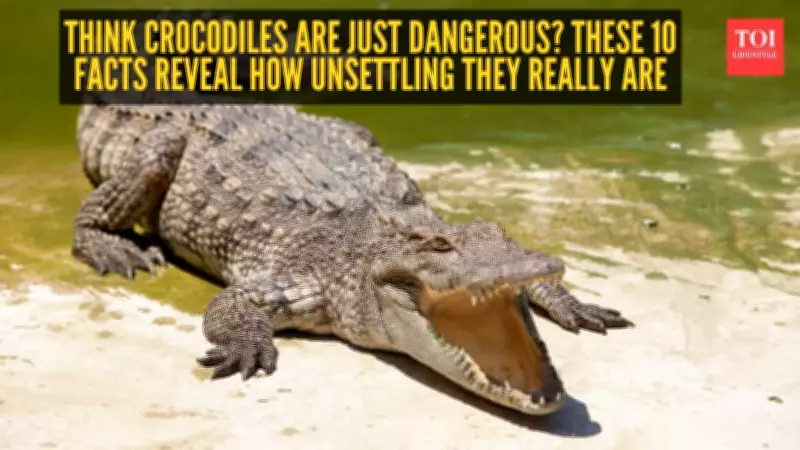
What Crocodiles Do When No One's Watching: 10 Facts That May Surprise You
You have probably seen crocodiles in documentaries or viral clips, half-submerged and barely moving, looking almost lazy. But that stillness is misleading. The more you learn about them, the stranger they become. They are not just dangerous but oddly strategic and patient in ways that feel almost calculated. Some of their behaviors do not even sound real at first. Here are 10 facts about crocodiles that might genuinely change how you look at them.
1. They Do Not Need to Eat for a Long, Long Time
A crocodile is not hunting every day. It does not have to. Their bodies are built to conserve energy so well that they can go months without food, and in extreme cases, even longer. This means that when they do decide to hunt, it really matters.
2. Their Bite Is Terrifyingly Strong
Once a crocodile clamps down, that is pretty much it. Their bite force is among the strongest ever recorded in animals. Bones and shells do not make much difference.

3. But Opening Their Mouth? Not So Impressive
Strangely, the same jaws that crush bones are weak when it comes to opening. The muscles for opening are so limited that, technically, a person could hold them shut. Not that anyone should ever try that.
4. They Have Been Around Since Before Dinosaurs Disappeared
Crocodiles are not just old species. They go back over 200 million years. Their ancestors lived alongside dinosaurs and somehow made it through everything that wiped those out. And they have not needed to change much since.
5. They Swallow Stones… on Purpose
This one sounds odd, but it is true. Crocodiles swallow small stones, which sit in their stomach and help with digestion. There is also another benefit: the extra weight helps them stay underwater more easily without floating up.
6. They Can Disappear Underwater for a Long Time
Crocodiles do not need to come up for air as often as you would expect. When resting, they can stay submerged for over an hour. So if one slips underwater, it does not mean it is gone.
7. They Have Figured Out How to Bait Prey
There have been observations of crocodiles placing sticks on their snouts, especially during bird nesting season. Birds come looking for material, get close, and that is it. It is not something you expect from a reptile.
8. Yes, They Can Climb
It is not something you will see every day, but crocodiles have been spotted climbing low branches and even trees near riverbanks. Mostly for basking or getting a better view, but still, not what most people imagine.
9. Their Babies' Gender Depends on Heat, Not Genetics
In crocodiles, it is not chromosomes that decide whether a hatchling is male or female. It is the temperature of the nest. A few degrees' difference can completely change the outcome.
10. They Are Surprisingly Careful Parents
For something known as a top predator, this part feels unexpected. Crocodile mothers gently carry their babies in their mouths to the water after they hatch. Same jaws, completely different use.
Crocodiles do not chase. They do not rush. They wait. And maybe that is what makes them more unsettling than most predators: not just what they can do, but how calmly they do it.