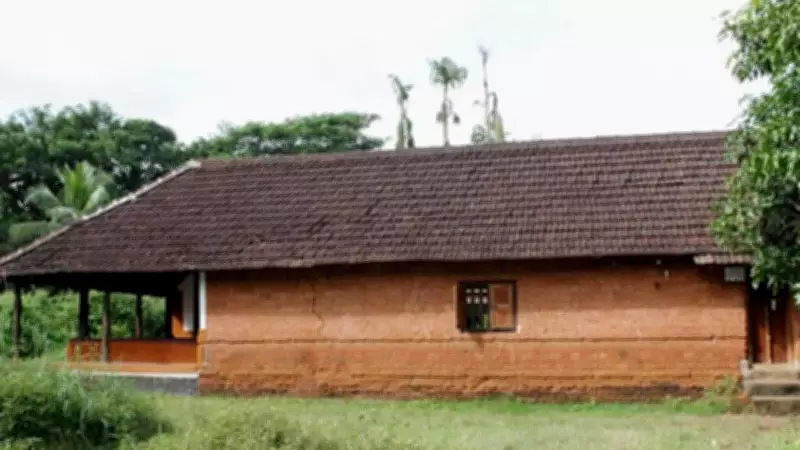
India's older homes are often remarkable not just because of their age, but because they remain deeply integrated into everyday life. These were not mere structures; they were living systems designed to evolve with generations. According to various unverified reports, Vemanchery Mana, a traditional ancestral home in Kerala, is frequently cited as one of the oldest surviving houses in India, believed to be around 1,400 years old. While it has not been officially established as the oldest, the house stands as a powerful example of how traditional Indian architecture was built for longevity.
The Uniqueness of Vemanchery Mana
The uniqueness of the Vemanchery Mana story lies not only in its antiquity but also in its architectural style, which was intended to last. In Kerala, traditional houses known as mana or tharavadu were constructed with a deep understanding of climate, materials, and family living. This distinction is crucial because a house that is continuously used and repaired has a much better chance of surviving than one that is abandoned. Such homes were designed to be adaptable, allowing for modifications over generations without compromising structural integrity.
Built to Work with the Climate
One of the primary reasons homes like Vemanchery Mana have endured is their climate-responsive design. Kerala experiences heavy monsoon rains, high humidity, and intense tropical heat. Traditional homes were built with steep sloping roofs to quickly drain rainwater, wide overhangs to protect walls, and raised plinths to prevent water seepage. Ventilation was equally important. Open verandahs, wooden windows, and inner courtyards allowed air to circulate freely, reducing moisture buildup and keeping interiors cool. Many such homes followed the nalukettu layout—a quadrangular structure with a central open courtyard that brought in light and air while maintaining privacy.

Materials Chosen for Longevity
Another major factor behind the survival of Vemanchery Mana is the materials used. Traditional Kerala homes relied on natural, locally available resources such as timber, clay, laterite stone, and lime mortar. Unlike modern cement-heavy construction, lime mortar allows buildings to “breathe,” preventing trapped moisture and structural damage over time. High-quality wood like teak and rosewood, when properly treated, can last for centuries. The craftsmanship involved in joining these materials without excessive reliance on metal also contributed to durability. These materials were chosen not for convenience but for their long-term performance in Kerala's challenging climate.
A Culture of Maintenance and Continuity
Perhaps the most important factor in the survival of Vemanchery Mana is the culture of care associated with it. Traditional homes were not seen as disposable assets; they were family heritage. This meant regular maintenance, timely repairs, and a deep emotional connection to the structure. Roofs were replaced when needed, wooden elements were restored, and walls were repaired using traditional methods. This continuous cycle of upkeep ensured that the house remained structurally sound across generations. Additionally, such homes were often designed with flexibility, allowing small changes without disturbing the overall structure. This adaptability helped them remain functional even as lifestyles evolved.
What Modern Homes Can Learn
The story of Vemanchery Mana offers valuable lessons for contemporary construction. The longevity of a house depends not only on durable materials but also on intelligent planning and design. Climate-sensitive design, proper ventilation, and selection of suitable building materials are key considerations for longevity. In many ways, modern construction practices are relearning these concepts by designing structures that respect their surroundings. The tale of Vemanchery Mana underscores the importance of sustainability and continuity in traditional building practices.
Ready to make a smarter property decision? Build your legacy with insights from timeless architecture.