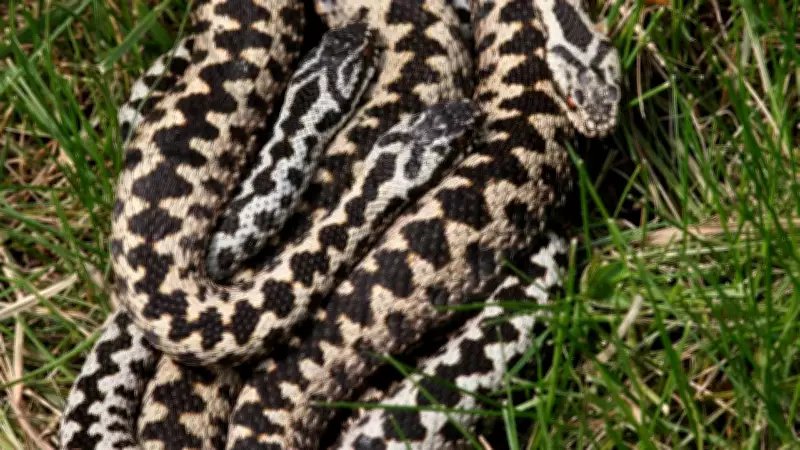
Imagine discovering a snake slithering in your backyard. For many, this thought alone is terrifying. According to viral internet statistics, approximately 99% of people cannot identify a venomous snake. While this number may be exaggerated, the underlying truth remains: snake identification is a challenge for most. Understanding the facts can help you stay safe and avoid unnecessary panic.
The Scary Reality of Snake Encounters
When a snake appears in your yard, the immediate reaction is often panic. Most people have no idea whether the creature is harmless or potentially deadly. This lack of knowledge can lead to dangerous decisions. Let's debunk common myths and learn safer ways to identify venomous snakes.
Common Myths About Venomous Snakes
Many people rely on popular field tests that are actually myths. Here are the most widespread misconceptions:

The Head Shape Trap
You may have heard that venomous snakes have wide, triangular heads. While vipers like rattlesnakes and copperheads do have broad jaws to accommodate venom glands, this rule is not foolproof. When threatened, harmless snakes such as garter snakes or rat snakes can flatten their heads to appear larger and mimic vipers. Relying on head shape alone can lead to misidentification.
Pupil Fallacy
Another common rule suggests looking at the snake's eyes: venomous snakes have vertical, cat-like slit pupils, while harmless ones have round pupils. However, this method has two major flaws. First, you must get dangerously close to the snake to see its pupils. Second, it is not universal. For example, the highly venomous coral snake has round pupils. This rule is both risky and unreliable.
Color Confusion and Mimicry
Many harmless snakes use mimicry to survive. The non-venomous scarlet kingsnake looks nearly identical to the deadly eastern coral snake. A popular rhyme about red and yellow bands is often misremembered under stress. Relying on color patterns when your heart is racing can be a dangerous mistake.
Safer Indicators for Identification
Instead of focusing on pupils or head shape, look for broader, safer indicators based on common venomous species found in backyards. For instance, the largest snakes in the world, such as the reticulated python and green anaconda, are not venomous. They are constrictors that use their powerful muscles to subdue prey. Venomous snakes like cobras and vipers are generally smaller and rely on venom to immobilize their prey quickly.
Behavioral Cues
How a snake behaves when threatened can offer clues:
- Cottonmouths (Water Moccasins): They stand their ground, open their mouths wide, and expose a stark white interior that looks like cotton. Non-venomous water snakes typically flee immediately.
- Rattlesnakes: They coil up and shake their tails, producing a distinctive buzzing sound. However, some non-venomous snakes may shake their tails against dry leaves to mimic this sound.
- Copperheads: They rely on camouflage and often freeze completely, blending into fallen leaves with their brown, hourglass-shaped patterns.
What to Do If You Spot a Snake
If you find a snake in your yard or near your home, do not attempt to kill it with a shovel or hoe. Most snake bites occur when untrained people try to corner, attack, or handle the snake. Snakes generally want to avoid interaction. Follow these steps:
- Step back at least six feet to give the snake space.
- Leave it alone; there is a 90% chance it will move out of your yard within a few hours to find food or shelter.
- Keep pets and children indoors until the snake is gone.
Remember, snakes play an important role in the ecosystem by controlling pests. By staying calm and informed, you can coexist safely with these fascinating creatures.