AI and Employment in India: Demographic Dividend or Demographic Disruption?
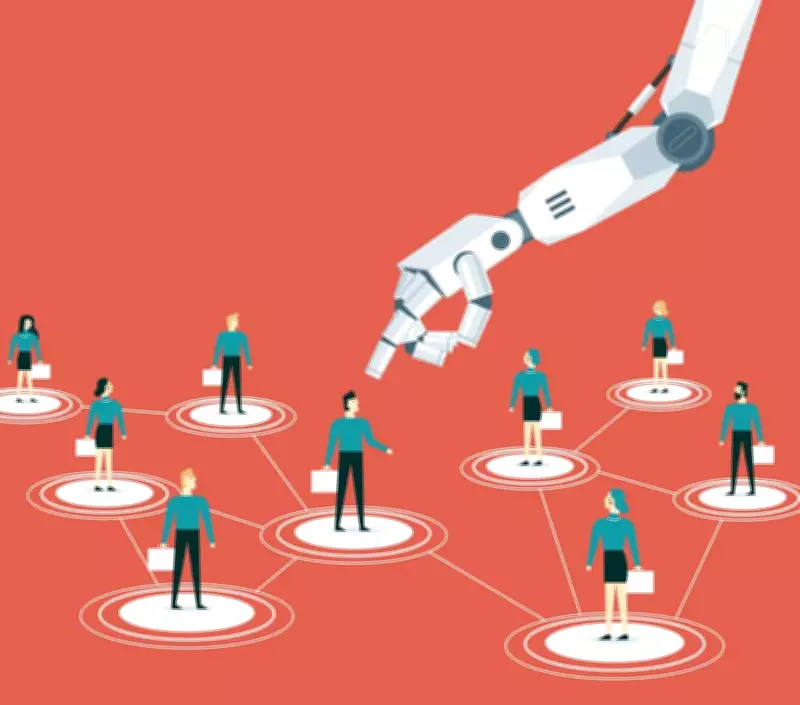
The integration of artificial intelligence (AI) into India's economy is generating intense discussions about its potential effects on the nation's vast workforce. With a youthful population often hailed as a demographic dividend, the advent of AI technologies presents both opportunities and challenges that could reshape the employment landscape. This debate centers on whether AI will serve as a catalyst for economic growth or lead to widespread job displacement, raising critical questions for policymakers, businesses, and workers alike.
The Promise of AI as a Demographic Dividend
Proponents of AI argue that it can amplify India's demographic dividend by enhancing productivity and creating new job categories. AI-driven innovations in sectors such as healthcare, agriculture, and manufacturing have the potential to streamline operations, reduce costs, and improve outcomes. For instance, AI applications in precision farming can help farmers optimize crop yields, while AI-powered diagnostic tools in healthcare can enhance access to medical services in remote areas. By automating routine tasks, AI may free up human workers to focus on more complex, creative, and high-value activities, thereby boosting overall economic output and fostering innovation.
Moreover, the growth of the AI industry itself is expected to generate employment opportunities in fields like data science, machine learning, and software development. India's strong IT sector and skilled workforce position it well to capitalize on these emerging roles. Investments in AI research and development, coupled with government initiatives like the National Strategy for Artificial Intelligence, aim to harness this potential, positioning India as a global leader in AI adoption. This optimistic view suggests that AI could be a key driver in realizing the demographic dividend, turning India's large working-age population into a competitive advantage on the world stage.

The Threat of AI as a Demographic Disruption
Conversely, critics warn that AI poses a significant risk of demographic disruption, particularly through job automation and displacement. Many routine and repetitive jobs in sectors such as manufacturing, customer service, and transportation are vulnerable to being replaced by AI and robotics. This could disproportionately affect low-skilled and semi-skilled workers, exacerbating income inequality and social unrest. In a country where a substantial portion of the workforce is employed in informal sectors with limited job security, the rapid adoption of AI without adequate safeguards could lead to widespread unemployment and underemployment.
Additionally, the skills gap presents a major challenge. While AI creates demand for high-tech roles, many workers may lack the necessary education and training to transition into these positions. This mismatch could leave a large segment of the population behind, undermining the demographic dividend. Experts highlight that without proactive measures, such as reskilling programs and educational reforms, AI could disrupt traditional employment patterns, leading to a scenario where technological advancement outpaces human adaptation. The potential for AI to concentrate wealth and power in the hands of a few further complicates the issue, raising concerns about equitable growth and social stability.
Policy Interventions and Future Directions
To navigate this complex landscape, stakeholders are calling for strategic policy interventions that balance innovation with social welfare. Key recommendations include investing in education and vocational training to equip the workforce with AI-relevant skills, such as data literacy and digital competencies. Public-private partnerships can play a crucial role in developing reskilling initiatives and fostering innovation hubs that support job creation. Regulatory frameworks must also be established to ensure ethical AI use, protect workers' rights, and promote inclusive growth.

Furthermore, fostering a culture of lifelong learning and adaptability is essential to help workers stay relevant in an AI-driven economy. By embracing a holistic approach that combines technological advancement with human-centric policies, India can potentially turn the AI challenge into an opportunity. The outcome will depend on how effectively the nation leverages its demographic strengths while mitigating the risks of disruption, ultimately shaping whether AI becomes a dividend or a disruption for India's employment future.