How the AI Revolution is Making Your Next Computer More Expensive
The artificial intelligence boom that has captivated Silicon Valley is now creating ripple effects throughout the global technology supply chain, with memory chips becoming the latest battleground. What began as a race among tech giants to develop superior AI capabilities has evolved into a competition for essential hardware components, potentially driving up costs for everyday consumers purchasing personal computers and smartphones.
The Memory Chip Squeeze
For decades, memory chip manufacturers operated in a highly competitive environment where products were largely interchangeable and companies primarily competed on price. This landscape created boom-bust cycles as manufacturers would often overproduce, leading to plummeting prices and financial losses that forced many players out of the market. The industry eventually consolidated around three major players: South Korea's Samsung Electronics and SK Hynix, along with Micron Technology, the sole U.S. supplier.
Now, this established dynamic is undergoing a dramatic transformation. As OpenAI, Meta, Google, and other technology behemoths invest billions in building data centers to power their AI ambitions, they have created unprecedented demand for memory chips. These companies are willing to pay premium prices for specialized memory varieties, creating a market shift that has left traditional PC and smartphone manufacturers scrambling for supply.

Real-World Impact on PC Builders
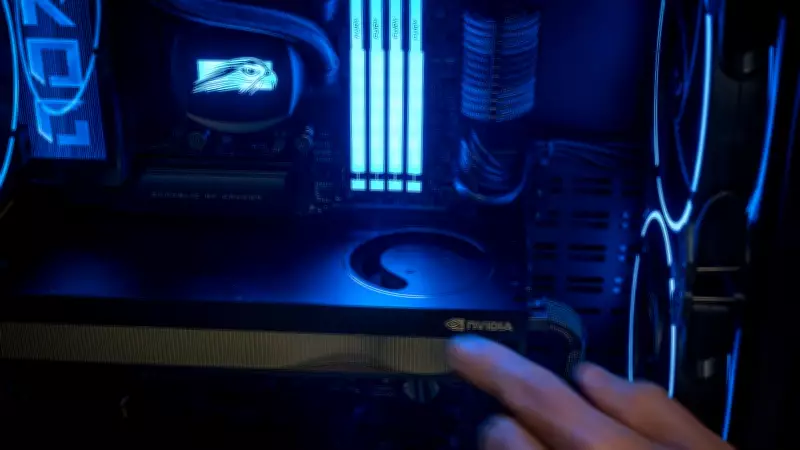
Kelt Reeves, founder of Falcon Northwest, has witnessed this transformation firsthand. For 34 years, his company has catered to gamers and performance enthusiasts willing to pay $4,000 or more for high-end custom PCs. Since late summer, Reeves has seen memory chip costs triple, forcing him to raise prices on some popular systems from approximately $5,800 to over $7,000.
"This isn't a consumer-driven bubble," explained the 55-year-old entrepreneur. "Nobody is expecting this to be a quick blip that's going to be over with."
Despite the price increases, Falcon Northwest experienced a 30% revenue jump last year, suggesting that well-heeled customers continue to prioritize performance over cost. However, Reeves expressed concern for less-established players in the PC supply chain and budget-conscious consumers who may face unpleasant surprises when shopping for affordable computers.
Market Analysis and Projections
Market research firm TechInsights predicts that higher memory chip costs could raise the price of a typical PC by $119, representing a 23% increase compared to the same period last year. This calculation includes both RAM (random-access memory) chips that temporarily hold data and NAND flash memory chips that provide long-term storage.
"The memory market is bananas," said Mike Howard, an analyst at TechInsights, during a recent technology conference. "It's very difficult to find any sort of fast relief."
The numbers support this assessment. The International Data Corporation projects that total chip industry revenues will jump 28% this year to surpass $1 trillion—a milestone many experts hadn't expected until 2030. Memory chip manufacturers are enjoying sustained sales growth, with their share prices reaching record highs over the past year.
Strategic Shifts in the Industry
The AI-driven demand is prompting strategic realignments throughout the memory chip industry. Micron Technology, which has sold memory products directly to consumers for 29 years through its Crucial brand, recently announced it would discontinue this business to focus on "larger, strategic customers in faster-growing segments" like AI chips.
Manish Bhatia, Micron's executive vice president of global operations, acknowledged the supply constraints, noting that customers are receiving only 50-67% of the memory they want to purchase. "Nobody is getting everything they want, and we regret that," Bhatia said. "We've had to make some difficult calls."

Micron is investing heavily in manufacturing capacity, including building two new factories in Boise, Idaho; purchasing an existing facility in Taiwan; and committing $100 billion to a project near Syracuse, New York. However, the first of these new factories won't begin operations until mid-2027, meaning supply constraints will likely persist for years.
The Changing Nature of Memory Requirements
The AI revolution isn't just increasing demand for traditional memory chips—it's changing what types of memory are needed. High-bandwidth memory (HBM), created by stacking RAM chips vertically rather than placing them side by side, has become particularly valuable because it allows faster data movement essential for AI applications.
Nvidia, which has emerged as a dominant force in AI hardware, purchases massive volumes of HBM and bundles these chips alongside its better-known AI processors. This integration allows faster data transfers than traditional RAM configurations.
"The memory appetite for AI is so much larger," observed Michael Stewart, a chip industry veteran and managing partner at Microsoft's venture capital fund M12. "It's utterly different than all the computing we did before."
Consumer Consequences
The effects are already visible in consumer markets. According to the website PCPartPicker, a typical PC kit containing plug-in RAM modules that sold for approximately $105 in early September had jumped to $250 by the end of December—a 138% increase in just four months.
While major computer manufacturers like Apple, Dell, and HP often negotiate long-term agreements with suppliers that moderate price swings, even these companies are feeling the pressure. Market research firm Circana reported that the average retail price of a standard-configuration laptop increased 7% during the two weeks ending January 3.
A Dell spokesperson acknowledged that the company takes "targeted pricing action, when necessary," while declining to discuss specifics. Apple and HP declined to comment on how memory chip prices are affecting their products.
Looking Ahead
As the AI boom continues to reshape technology markets, memory chips have transitioned from commodity components to strategic assets. The industry consolidation that followed decades of price competition has created a concentrated supplier base that now faces unprecedented demand from both traditional computing sectors and the rapidly expanding AI infrastructure market.
For consumers, this means the era of consistently falling computer prices may be giving way to a new reality where memory constraints influence purchasing decisions. As Jensen Huang, Nvidia's CEO, noted at the CES trade show in Las Vegas, "Because our demand is so high, every factory, every HBM supplier is gearing up." He added that the world would need more chip factories to meet growing requirements.
The memory chip shortage represents just one facet of how the AI revolution is transforming technology economics. As companies continue to invest billions in AI infrastructure, the effects will likely extend beyond memory to other components, potentially creating broader implications for consumer electronics pricing in the coming years.