

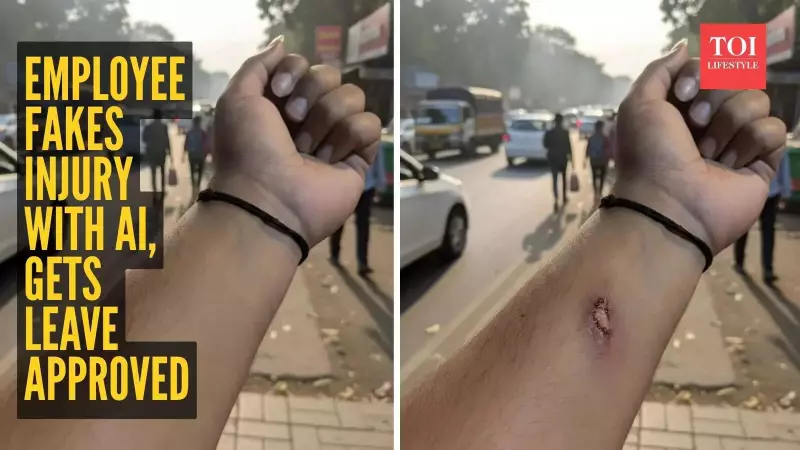
Artificial intelligence photo-editing tools have seamlessly integrated into our daily digital routines, and their impact is expanding at a pace that has caught many off guard. A recent incident from India has thrown this reality into sharp focus, sparking widespread discussion online. An employee successfully obtained paid leave by submitting a photograph of a fake injury, meticulously created using Google's updated Nano Banana AI tool.
The Viral LinkedIn Post and How It Was Done
The episode came to light through a LinkedIn post shared by Shreyash Nirmal, founder of Gorilla Trend Technologies, on November 29, 2025. According to the post, an employee started with a simple, clear photograph of his own uninjured hand. Out of sheer curiosity, he accessed the Nano Banana AI generator and typed a brief prompt requesting it to create an injury on the hand.
The AI tool processed the request in mere seconds, generating an edited image that was startlingly realistic. The fabricated wound displayed sharp details, convincing redness, and a texture that closely mimicked a fresh, genuine cut. The before-and-after images were posted online, showcasing the tool's alarming capability.

HR's Swift Approval Based on the Fake Image
After generating the convincing AI-edited picture, the employee forwarded it to his company's human resources team. He accompanied the image with a story about having met with a minor accident, specifically falling from his bike. The visual proof appeared so authentic that the HR representative immediately accepted it as real.
The request was promptly escalated to the manager, and within minutes, the paid leave was approved. The approval reportedly came with a caring message from the management, highlighting how the fake evidence bypassed all scrutiny. This swift process, based solely on a digitally fabricated image, lies at the heart of the ensuing controversy.
Online Debate: AI Ethics vs. Toxic Work Culture
The LinkedIn post quickly went viral, amassing thousands of views and a flood of comments. The public reaction ranged from amused shock at the AI's sophistication to deep concern about the broader implications for workplace trust and culture.
Many commenters pointed fingers not just at the technology, but at the organizational environment that necessitated such deception. One user argued, "It's a cultural issue, not an AI or HR/Manager issue. This is how the culture is created in this company, where the pressure of work and toxicity encourage managers to ask for these proofs, and employees are smart enough to create them."
Another comment echoed this sentiment in Hindi, stating, "Jis company me iss tarah se proof dena pad jaye wo company already barbaad hai" (The company that demands such proof is already ruined). Others marveled at the ease with which modern tools can be manipulated, with one noting, "This generation of kids is lucky to fiddle with simple apps."
The incident serves as a stark warning for organizations worldwide. As AI photo-editing tools become more accessible and their outputs more photorealistic, traditional methods of verification in professional settings are becoming obsolete. The episode forces a critical examination of two parallel issues: the ethical use of AI-generated content and the foundational workplace ethics and trust between employers and employees. Companies may now need to re-evaluate their policies and foster a culture where employees do not feel compelled to resort to such measures for basic entitlements like leave.






