BWSSB and IISc Collaborate on AI-Based Groundwater Analysis for Bengaluru
The Bangalore Water Supply and Sewerage Board (BWSSB) has announced a groundbreaking partnership with the Indian Institute of Science (IISc) to implement an artificial intelligence-based groundwater analysis system for Bengaluru. This initiative aims to enhance water resource management in the city by leveraging advanced technology to monitor and predict groundwater levels more accurately.
Precautionary Measures Initiated Across 65 Wards
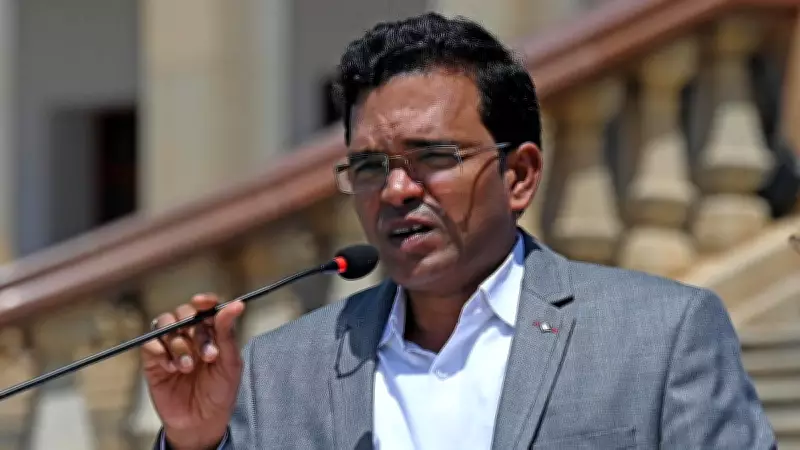
Based on insights derived from the AI analysis, precautionary measures have been initiated across 65 wards in Bengaluru. BWSSB Chairman Ram Prasath Manohar made this announcement on Thursday, emphasizing the proactive steps being taken to address potential water scarcity and quality issues. The measures include improved monitoring, targeted conservation efforts, and public awareness campaigns to ensure sustainable water usage.
Details of the AI Collaboration
The collaboration between BWSSB and IISc focuses on developing and deploying AI algorithms that analyze historical and real-time data on groundwater levels, rainfall patterns, and urban development impacts. This technology is expected to provide more precise forecasts and actionable insights, helping authorities make informed decisions to mitigate water-related challenges in Bengaluru.

Key objectives of the project include:
- Enhancing the accuracy of groundwater level predictions through machine learning models.
- Identifying high-risk areas for water depletion and contamination.
- Supporting long-term water management strategies with data-driven approaches.
Implications for Bengaluru's Water Management
This AI-based initiative represents a significant advancement in how Bengaluru manages its water resources. By integrating cutting-edge technology with traditional water supply systems, BWSSB aims to improve efficiency and resilience against climate change and urbanization pressures. The project underscores the importance of innovation in addressing critical infrastructure needs.
The announcement highlights a forward-thinking approach to urban water governance, setting a precedent for other cities in India to adopt similar technological solutions.