The year 2025 will be remembered as the moment artificial intelligence (AI) ceased to be a futuristic concept and became a tangible, everyday force. It fundamentally altered how people access knowledge online, directly challenging the long-standing monopoly of giants like Google. While the full promise of transformative efficiency remains a work in progress, AI's deep integration into daily routines is undeniable. As we stand on the cusp of 2026, the trajectory points towards even more profound changes.
Authored by Nandagopal Rajan from New Delhi on December 30, 2025, this analysis reflects on a year where the blistering pace of AI adoption compressed traditional tech cycles. The constant stream of new products and updates created both unprecedented opportunities and unforeseen challenges on a weekly basis. However, amidst this whirlwind of innovation, a critical question lingers: are we witnessing genuine revolution or riding a bubble inflated by hype?
The New Internet: AI Rewrites the Rules of Discovery
The most significant shift of 2025 has been in our relationship with online information. For decades, Google's search model—presenting a list of links—defined the internet experience. This year, AI platforms disrupted that model by delivering concise, personalized summaries directly. Users can now get answers in natural language and engage in follow-up dialogues, filling knowledge gaps without ever clicking a link.

This "zero-click" trend is upending the internet's core business models, which have long relied on click-through rates (CTR). In 2026, this transition is set to accelerate with the rise of dedicated AI browsers like ChatGPT's Atlas and Perplexity's Comet. These tools act as intelligent surfers, fetching information and updates from your favorite sites without requiring you to visit them.
This poses an existential threat to Google, especially in markets like India where it has been the primary gateway to the web. The company is already fighting back with AI Overviews in search results. The new norm is becoming knowledge pulled from websites, rather than users pushed towards them.
Beyond the Browser: AI Gets Physical and Personal
The browser is the most used app, and in 2026, it will become the AI-powered heart of our devices. Current AI features in smartphones and laptops are often superficial. The future lies in the operating system itself becoming an intelligent assistant—a personal butler that manages schedules, prioritizes communications, and summarizes your day.
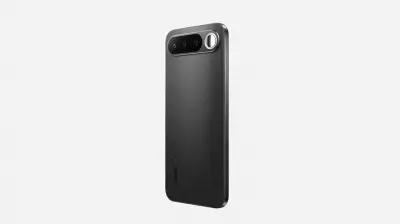
Expect announcements of dedicated AI phones from leading players like OpenAI or Anthropic. This signals a move towards a post-app era, where tasks are completed through conversation without opening specific applications. Interaction will evolve beyond text; earbuds and goggles could become primary interfaces for non-visual AI communication.
An extension of this is the concept of a "life rewind." Inspired by devices like Google's Android XR Glasses, future AI wearables could passively record and analyze your experiences, conversations, and visual data. Using AI, they would offer actionable reminders, translate languages in real-time, and guide you through complex situations. While this raises immense privacy concerns, the utility is compelling.
2026: The Year of Orchestrated Agents and Autonomous Machines
If 2025 was for experimenting with individual AI agents, 2026 will be about multi-agent orchestration. Platforms that allow users to coordinate multiple AI agents from different providers will gain traction. These teams of agents will handle complex, multi-step tasks, making decisions and pivoting as needed. This is particularly valuable for businesses juggling disparate data systems and dashboards. Deloitte estimates the autonomous AI agent market could hit $8.5 billion by 2026.
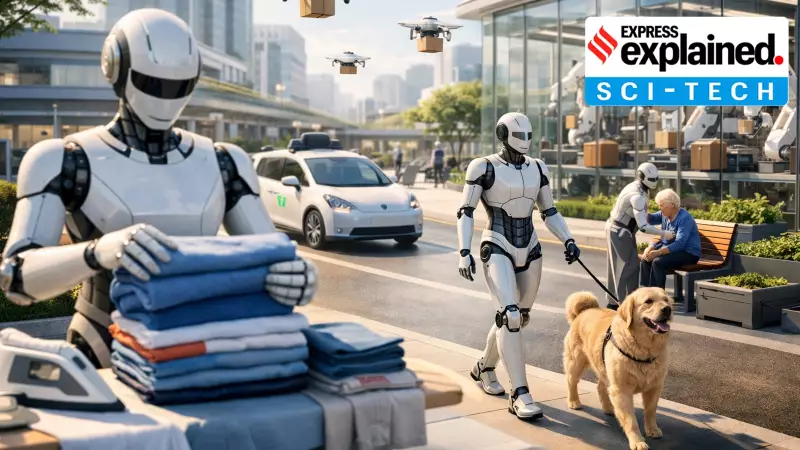
Furthermore, AI's physical presence will grow. The success of autonomous taxis from Waymo points to a future of safer, driverless public transport and drone deliveries. In our homes and workplaces, robots from Tesla, Boston Dynamics, and Figure AI—once their costs fall below a crucial threshold—could handle chores from laundry to dog walking, boosting productivity.

In conclusion, 2025 was the year AI moved from labs and headlines into the fabric of daily life, setting the stage for 2026 to be the year it learns to collaborate, physically interact, and fundamentally reshape our digital and physical worlds. The journey from hype to tangible, integrated utility is well underway.