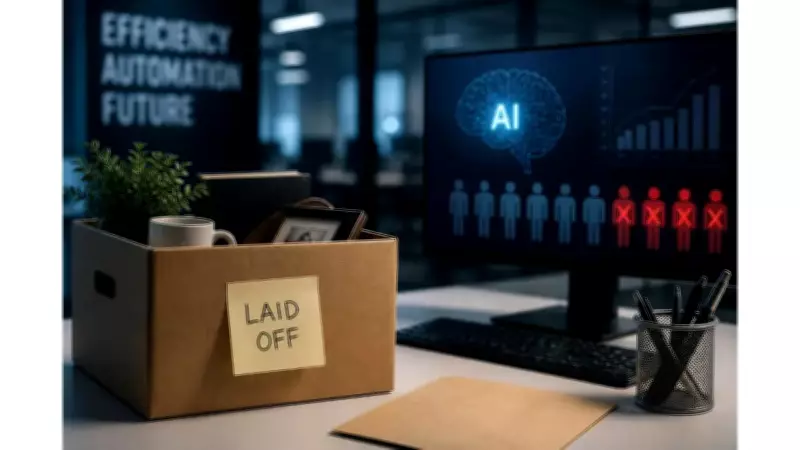
Valerie Capers Workman, the former chief human resources officer at Tesla, has stated that fears surrounding artificial intelligence (AI) eliminating white-collar jobs are being exaggerated, even as major technology companies announce layoffs and increase their investments in AI.
In a report by Fortune, Workman explained that recent moves by companies such as Meta and Microsoft do not necessarily indicate what lies ahead for the majority of workers. Instead, she suggested that the future of work will involve people collaborating with AI tools rather than being entirely replaced by them. She also encouraged professionals to focus on adapting rather than reacting with panic.
Big Tech Layoffs Do Not Reflect Most Jobs
Workman pointed out that companies like Meta and Microsoft operate on a massive scale, where decisions are driven by global reach and substantial investments in AI infrastructure. These firms are spending billions to develop AI systems, which can lead to workforce changes, she said.

“Meta and Microsoft are hyperscalers. Together with Amazon and Google, these four companies alone will spend approximately $650 billion on capital expenditures in 2026, most of it on AI infrastructure,” Workman stated. She added, “The math at this scale works in ways that do not exist at most companies.”
Workman further noted that most workers are employed outside such tech giants—in smaller businesses, healthcare, education, and local organizations—where AI adoption will be slower and more practical.
AI Will Assist, Not Replace Most Workers
According to Workman, AI tools will increasingly take over routine tasks like research, drafting, and data analysis. This shift will allow employees to focus on more strategic and creative work. She said access to AI tools is becoming cheaper and easier, enabling more people to improve their productivity and skills.
Workman also warned that companies may begin tracking how employees use AI, along with monitoring work patterns through digital tools. While this may raise concerns, she said it is likely to become a standard part of modern workplaces.
Focus on Skills, Not Fear
Workman advised professionals to build AI skills and connect their work to real business outcomes. She said employees who can demonstrate how their work creates value will stand out.
She added that fear around AI is growing faster than actual disruption, and decisions made in panic could harm long-term careers. “Build AI fluency intentionally, not because your job is going away tomorrow, but because the people who can translate AI capability into business outcomes will compound their value for the next decade,” Workman said.
Workman concluded that if companies and workers develop both technical and human skills together, the future of work could be more productive, creative, and fair—rather than the negative scenario often portrayed.