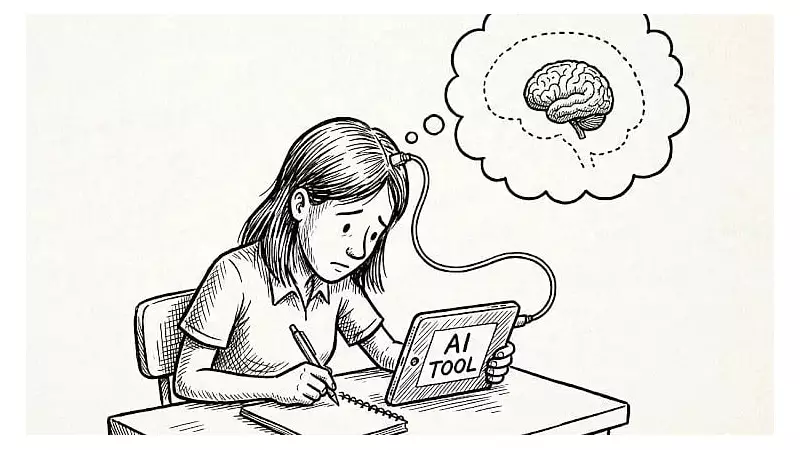
While artificial intelligence (AI) offers incredible tools for efficiency, a growing concern is emerging about its impact on human cognition. Experts are now cautioning that turning to AI for every task might be making our brains lazy, reducing our innate problem-solving abilities.
The Hidden Cost of AI Dependency
Uma, a counsellor at a prestigious college, highlighted this worrying trend in a statement dated 02 December 2025. She pointed out a fundamental issue with constantly outsourcing thinking to machines. 'Brains take time to get active when we don’t give them enough challenges,' she explained. The consequence of avoiding mental strain is a brain that settles into a passive state. 'It gets into the lazy mode and stays there,' Uma stated, emphasising the long-term risk of diminished cognitive agility.
Why Our Brains Need Exercise
Just like muscles, the human brain requires regular exercise to stay sharp and responsive. The core problem identified is the habit of bypassing difficult thinking processes. When AI instantly provides answers, summaries, or solutions, we skip the crucial mental workout that comes from:

- Struggling with a complex problem.
- Formulating original ideas and connections.
- Engaging in deep analysis and critical thinking.
This lack of challenge can lead to a decline in our ability to focus, reason, and innovate independently.
Finding the Right Balance for the Future
The warning is not to abandon AI, but to use it strategically. The key is to view AI as a powerful assistant rather than a replacement for human intellect. To prevent the brain from slipping into 'lazy mode', individuals must consciously create opportunities for mental challenges. This means sometimes choosing to solve a problem manually, engaging in debates, learning new skills without automated help, or simply allowing oneself time to think deeply before seeking a digital shortcut.
As AI becomes more embedded in education and daily life, this insight from counsellor Uma serves as a crucial reminder. Preserving our cognitive fitness requires us to be mindful users of technology, ensuring we continue to exercise the remarkable human brain that the AI itself was designed to emulate.