AI Pioneer Issues Stark Warning on Geopolitical Dangers of Concentrated AI Power
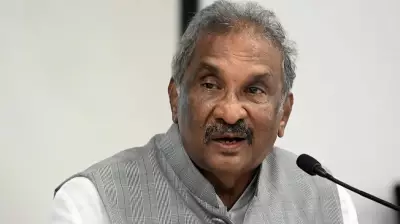
At the AI Impact Summit held in New Delhi on Wednesday, Yoshua Bengio, a renowned professor of computer science at the University of Montreal and a widely recognized pioneer in artificial intelligence, delivered a compelling address highlighting the critical risks posed by the current concentration of AI development. He emphasized that the existing frontier models of AI are predominantly created by a select few companies and are concentrated in nations such as the United States and China, leaving most other countries as what he termed "passive victims of things they built."
Unacceptable Dominance and the Call for Diplomatic Action
Bengio stressed that this scenario, where only a handful of countries lead the AI domain, is fundamentally "unacceptable." He urged nations worldwide to elevate this issue to the highest diplomatic levels to ensure a more equitable global landscape. Frontier models in AI represent the most advanced, large-scale, general-purpose machine learning systems that currently push the boundaries of capability, multimodality—encompassing text, image, audio, and video—and overall performance.
"It's not just a question of morality, but also sovereignty," Bengio asserted, linking the concentration of AI power directly to issues of national autonomy and global influence. He elaborated on the profound implications, warning that if AI capabilities continue to expand unchecked, a significant discrepancy could emerge between the models developed in the US and China and those in other nations.

Economic Power and Geopolitical Stability at Stake
"That could give those two countries or whoever is leading huge economic power," Bengio noted, pointing out the potential for exacerbated global inequalities. He expressed grave concerns about the broader geopolitical consequences, stating, "The stability, the geopolitical stability that we've known since the Second World War could just go up in flames. I'm not saying it's going to happen, but when you introduce so much power and when it is concentrated in such a way, there's a real danger that you're going to break the house."
These observations are particularly significant as India actively champions efforts to democratize AI, seeking to foster inclusive and accessible technological advancements. When asked about India's role and precautions in AI development, Bengio advised that people must remain vigilant about the societal impacts and risks associated with emerging technologies.
India's Potential Contribution and the Need for Scientific Understanding
"We need to understand it scientifically. We need to understand it socially because there's a social component psychologically in the case of AI because we're talking about systems that interact with people and language. So, a country like India could contribute to that understanding," he explained, highlighting India's unique position to advance both technical and social comprehension of AI.
Bengio also underscored the urgent necessity for independent risk assessments before deploying open AI models. He proposed a balanced approach: "If the risks are not too large compared to the benefits, because clearly there are benefits to sharing, in particular in developing countries like here in India, then sure, you should absolutely go open. But if you see that the risks cross a threshold of social accessibility, then you should not. So this way we might be able to get the benefits of open source when it makes sense and we could prevent catastrophic uses otherwise."
Drawing Parallels to Regulatory Standards in Other Fields
To illustrate the importance of rigorous oversight, Bengio drew a parallel to the pharmaceutical industry, where thorough risk assessments are mandatory before medicines are approved for public sale. He argued that similar stringent evaluations should be applied to artificial intelligence technologies used in public domains.

"You can't do whatever you want that's going to make you money. You need to first show to an independent party, like representing the government, that your product is not going to be harmful. But there's no such thing right now. It's a scandal," he remarked, criticizing the current lack of regulatory frameworks for AI akin to those in other critical sectors.
In summary, Yoshua Bengio's address at the AI Impact Summit serves as a powerful call to action for global cooperation and regulatory diligence in AI development, emphasizing the need to mitigate risks and promote equitable access to safeguard both national interests and international stability.