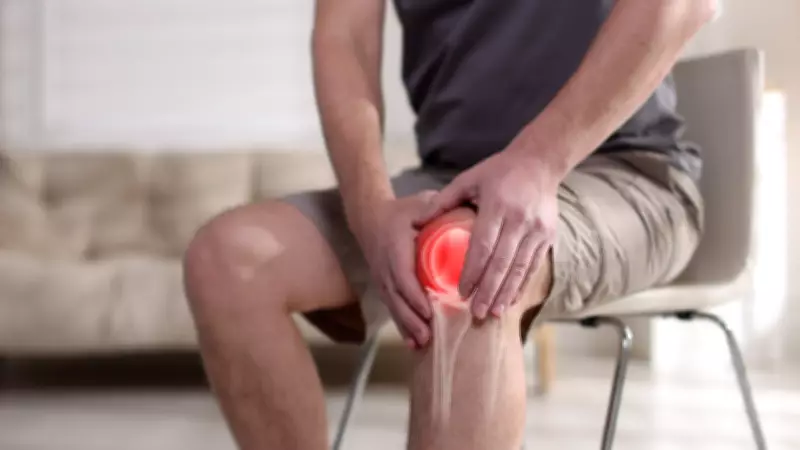
There comes a point when even simple movements begin to feel heavier than they should. Climbing stairs becomes slower. Knees ache after sitting too long. Fingers feel stiff in the morning. For many people, joint pain quietly enters everyday life and slowly changes the way they move, sleep, work, and even socialize.
Understanding Chronic Inflammation
What often goes unnoticed is that inflammation sits at the centre of this discomfort. While inflammation is the body’s natural response to injury or stress, chronic inflammation behaves differently. It lingers silently, gradually affecting joints, muscles, tissues, and energy levels.
According to Dr (Prof) GP Dureja, Director, Delhi Pain Management Centres, and Medical Advisory Board, Wholeleaf: “Inflammation is the body's defence mechanism, but when it becomes chronic, it turns against us — quietly damaging joints, tissues, and overall wellbeing. The encouraging truth is that for most people, lifestyle is both the cause and the cure.”

That idea may sound surprisingly simple, but modern research increasingly supports it. Small everyday habits, the kind people rarely think about twice, can either fuel inflammation or help calm it down naturally.
Diet: Fueling or Fighting Inflammation
Many people search for miracle supplements or expensive treatments while ignoring what is sitting on their plate every day. But doctors say food plays a far bigger role in inflammation than most realize.
“Diet is your most powerful lever,” says Dr Dureja. “An anti-inflammatory plate prioritises colourful vegetables, fruits, legumes, whole grains, and omega-3-rich foods, while minimising refined sugars, processed foods, and seed oils that silently drive inflammation. What you eat every day is either feeding the fire or putting it out.”
This does not mean suddenly following a strict diet or giving up every favourite meal. It means paying attention to patterns. For example, people who regularly consume packaged snacks, sugary drinks, processed meats, and deep-fried foods often report worsening stiffness and swelling over time. On the other hand, meals rich in turmeric, leafy greens, nuts, seeds, fatty fish, berries, lentils, and fibre tend to support healthier inflammatory responses.
A major government-backed review by the National Institutes of Health (NIH) found that Mediterranean-style eating patterns may help reduce inflammatory markers and improve joint health in some patients. Hydration matters too. Mild dehydration can make joints feel stiffer because cartilage depends heavily on water to stay lubricated.
Movement: Gentle Activity Over Complete Rest
One of the biggest mistakes people make during joint pain is avoiding movement completely. Rest feels comforting in the moment, but too much inactivity can actually worsen stiffness and weaken muscles around the joints.
“Movement matters just as much,” explains Dr Dureja. “Regular low-impact activity — walking, swimming, yoga — reduces joint stiffness, strengthens stabilising muscles, and lowers inflammatory markers in the blood. The goal isn't intensity; it's consistency.”
This is where many people misunderstand fitness. Joint-friendly movement is not about exhausting gym sessions or punishing workout plans. Slow and regular movement often delivers better long-term results. A 30-minute walk, light stretching in the morning, water exercises, or yoga focused on flexibility can gradually improve mobility without placing excess pressure on painful joints.
Government health agencies also support this approach. The Centers for Disease Control and Prevention (CDC) notes that physical activity can reduce arthritis pain while improving strength, balance, and daily function. Even posture matters more than people think. Hours spent hunched over laptops or phones place strain on the neck, spine, hips, and knees. Sometimes joint pain is not only about aging, but also about how modern life trains the body to move poorly.
Sleep: The Body's Repair Window
Many people notice their pain feels worse after a bad night’s sleep. That is not imagination. During sleep, the body carries out repair work. Hormones reset, muscles recover, and inflammatory processes are regulated. When sleep becomes irregular or insufficient, the body remains in a stressed state for longer periods.

“Sleep is where repair happens,” says Dr Dureja. “Cutting it short raises cortisol and inflammatory cytokines, making pain worse and recovery slower. Seven to eight hours isn't a luxury — it's biology.”
Research from the National Heart, Lung, and Blood Institute (NHLBI) has linked sleep deprivation with higher levels of inflammation in the body. What is worrying is how common poor sleep has become. Late-night scrolling, binge-watching, irregular work schedules, stress, caffeine, and screen exposure are affecting sleep quality across age groups.
Simple adjustments can make a meaningful difference:
- Reducing screen time before bed
- Keeping bedrooms cool and dark
- Following fixed sleep timings
- Avoiding heavy meals late at night
- Limiting caffeine after evening hours
People often underestimate how deeply sleep influences pain. Sometimes the body is not demanding stronger medicines. It is asking for recovery.
Stress: An Overlooked Driver of Inflammation
Stress is often spoken about as an emotional issue, but chronic stress affects the body physically too. When stress hormones remain elevated for long periods, the nervous system stays on alert. Over time, this can increase inflammation, tighten muscles, worsen pain sensitivity, and disrupt immunity.
“Finally, don't underestimate stress,” Dr Dureja says. “Chronic psychological stress is one of the most overlooked drivers of systemic inflammation. Breathwork, mindfulness, and time outdoors are not soft suggestions, they are evidence-backed interventions.”
This is an important shift in how pain is understood today. Modern medicine increasingly recognizes that mental strain and physical pain are deeply connected. Spending time outdoors, gardening, listening to calming music, practicing breathing exercises, or simply slowing down for a few minutes each day may seem small, but these habits help calm the nervous system. In many ways, inflammation reflects how the body responds to overload, not only physical overload, but emotional overload too.
Small Daily Habits for Long-Term Joint Health
There is no single miracle fix for joint pain. Healing is usually quieter than that. It happens through repeated daily choices that slowly reduce stress on the body. Maintaining a healthy weight can reduce pressure on knees and hips. Avoiding smoking protects blood circulation and tissue repair. Limiting alcohol supports better sleep and lower inflammation. Spending time in sunlight may support vitamin D levels, which are important for bone and muscle health.
Most importantly, consistency matters more than perfection. Dr Dureja perhaps says it best: “The body wants to heal. Give it the right conditions, and it will.”
That message carries hope, especially at a time when so many people feel trapped by chronic aches and stiffness. The human body is remarkably adaptive. Even modest changes, when practiced regularly, can slowly improve comfort, movement, and overall wellbeing. And sometimes, healing begins not with dramatic interventions, but with ordinary routines done differently.
Medical Experts Consulted
This article includes expert inputs shared with TOI Health by Dr (Prof) GP Dureja, Director, Delhi Pain Management Centres, and Medical Advisory Board, Wholeleaf. Inputs were used to explain how simple lifestyle habits like better nutrition, regular movement, quality sleep, and stress management may naturally help reduce joint pain and inflammation while improving overall joint health.