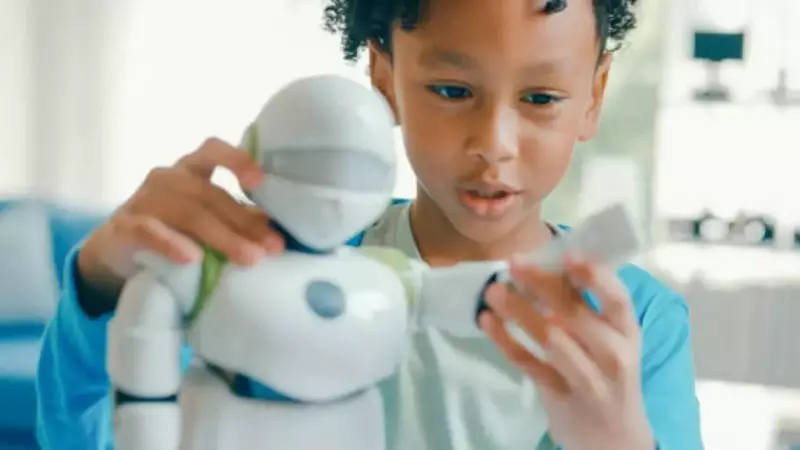
The landscape of children's play in India is undergoing a significant transformation. Interactive robots, intelligent tools, and even talking dolls powered by artificial intelligence are rapidly displacing traditional toys. These advanced playthings are becoming a staple in modern playtime, offering dynamic interactions that promise to learn, respond, and evolve alongside the child.
Why AI Toys Are Capturing the Indian Market
These smart toys are designed for direct engagement. They utilize sophisticated voice recognition and sensor-based technology for adaptive learning. A key feature is their ability to tailor responses based on previous interactions, remember a child's preferences, and answer their curious questions. Functioning on principles similar to virtual assistants like Alexa, these toys encourage activities ranging from playing games to practicing language skills.
Indian parents are increasingly drawn to these products due to their perceived educational value. The toys are seen as useful tools for developing problem-solving abilities and communication skills. For children, the appeal lies in the joy of being heard and the deeply immersive experience these interactive companions provide.

The Dual Edge: Educational Benefits and Hidden Dangers
When used appropriately, smart toys can significantly support learning and spark creativity. They offer various avenues for growth, from enhancing vocabulary to fueling imagination through interactive storytelling. Some models are designed to facilitate independent play, offering parents valuable moments of respite.
Navigating the Risks of Connected Play
However, this technological leap in playtime is not without serious concerns. A primary issue is data privacy, as many of these toys collect and process voice data. Parents must be exceptionally vigilant about privacy policies and how this sensitive information is stored. Another risk is the potential for excessive screen dependency.
Experts caution against over-reliance on these toys, warning it could impede the development of crucial social skills. The consensus is clear: these devices should complement, not replace, human interaction. Maintaining a healthy balance is essential. Strict parental supervision and enforced usage limits are strongly advised to ensure play remains safe, healthy, and truly beneficial for the child's overall development.