

AI Reconstructs Face of Pompeii Victim from 79 AD
Archaeologists have harnessed the power of artificial intelligence to recreate the face of a victim who perished during the catastrophic eruption of Mount Vesuvius in 79 AD. The victim, whose remains were discovered in the ancient Roman city of Pompeii, has now been given a digital likeness that offers a poignant glimpse into the past.
The Discovery
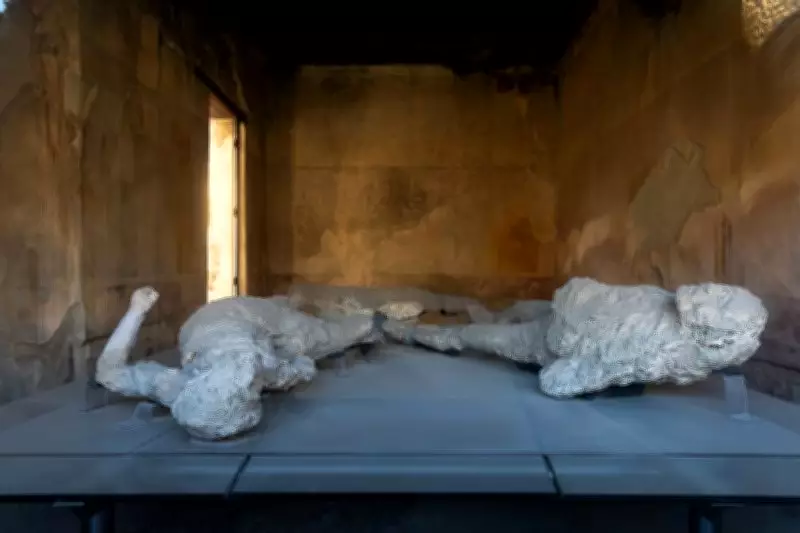
The remains were found in the so-called "House of the Golden Bracelet," a lavish residence that was buried under volcanic ash and pumice. The victim, believed to be a man in his 40s, was lying on a bed when the eruption struck. The AI reconstruction was based on detailed scans of his skull and other skeletal remains.
The AI Process
Researchers used a combination of CT scanning, 3D modeling, and deep learning algorithms to reconstruct the facial features. The AI analyzed thousands of reference points from the skull to estimate muscle structure, skin thickness, and other characteristics. The final image shows a man with a strong jawline, deep-set eyes, and a weathered complexion, suggesting a life of hard labor.

Significance of the Reconstruction
This reconstruction is part of a broader effort to humanize the victims of Pompeii. By putting faces to the names, archaeologists hope to connect modern audiences with the personal stories of those who lived and died in the shadow of Vesuvius. The AI-generated image also provides valuable data for understanding the demographics and health of the ancient population.
Future Applications
The success of this project opens the door for further AI-assisted reconstructions of other Pompeii victims. Scientists are also exploring the use of AI to analyze organic residues, such as food and drink, left behind in the ruins. This technology could revolutionize the field of archaeology by enabling non-invasive analysis of ancient remains.
Conclusion
The AI reconstruction of the Pompeii victim is a powerful reminder of the human cost of natural disasters, both ancient and modern. It underscores the potential of technology to bridge the gap between past and present, bringing history to life in ways that were previously unimaginable.






