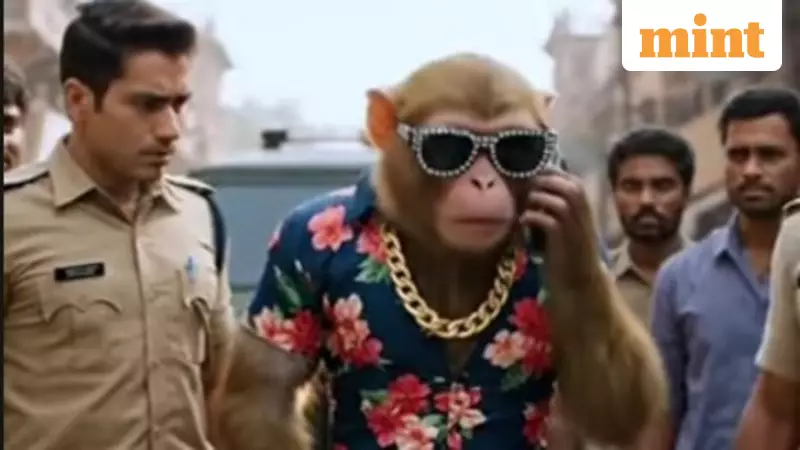
A YouTube channel based in India, which produces videos almost entirely using artificial intelligence with minimal human effort, is reportedly earning tens of crores of rupees every year. This phenomenon highlights the rapid transformation of online content by AI, while also raising critical questions about quality, platform regulation, and the future sustainability for human creators.
The Rise of "AI Slop": A Global Study's Findings
A recent global investigation conducted by the video-editing platform Kapwing has brought this trend into sharp focus. The study analyzed close to 15,000 of the world's most popular YouTube channels and identified hundreds that consist purely of AI-generated material. These videos are typically crafted using AI tools with very little human input, designed primarily to maximize clicks, watch time, and repeat views rather than to deliver coherent narratives or original stories.
According to the report, at least 278 channels squarely fit into this "AI slop" category. Collectively, they have amassed a staggering more than 63 billion views and have garnered over 221 million subscribers. This data signals a major shift in how content is being both produced and consumed on the world's largest video platform.

Bandar Apna Dost: The Indian Channel Topping the Charts
The study found that the most-viewed channel in this category operates from India. The channel, named Bandar Apna Dost, leads the list by a significant margin. Despite being launched only a few months ago, it is estimated to generate approximately $4.25 million (roughly ₹35 to 38 crore) annually.
The channel features short, animated clips centered on an anthropomorphic rhesus monkey and a muscular, Hulk-like character placed in exaggerated and often chaotic situations. Notably, these videos contain no dialogue, plot, or clear context. Nevertheless, Bandar Apna Dost has recorded over 2.07 billion views and gained more than 2.76 million subscribers.
Technology and digital rights researcher Rohini Lakshane explained to The Guardian that the channel's appeal likely stems from its absurd visuals and hyper-masculine themes. She noted that the absence of a complex storyline makes the content incredibly easy to consume and accessible to a global audience, transcending language and cultural barriers.
Algorithmic Amplification and the Future of Creativity
The Kapwing study raises significant concerns about YouTube's recommendation systems. It discovered that more than 20% of videos suggested to new users on YouTube can be classified as AI slop. This suggests that the platform's algorithms may be prioritizing raw engagement metrics—such as watch time and clicks—over quality or originality.
Industry observers are warning about the potential consequences of this trend. The growing dominance of cheap, mass-produced AI content could potentially crowd out independent creators and more thoughtful, traditionally produced programming. Automated videos are far cheaper, faster to make, and easier to scale, posing a direct economic threat to human creators.
However, the runaway success of channels like Bandar Apna Dost undeniably demonstrates a new reality. When AI-generated content is meticulously optimized for algorithmic preferences, it can attract massive global audiences and generate substantial revenue. This success story poses complex and urgent questions about the future of creativity, authenticity, and economic models in the digital content age.