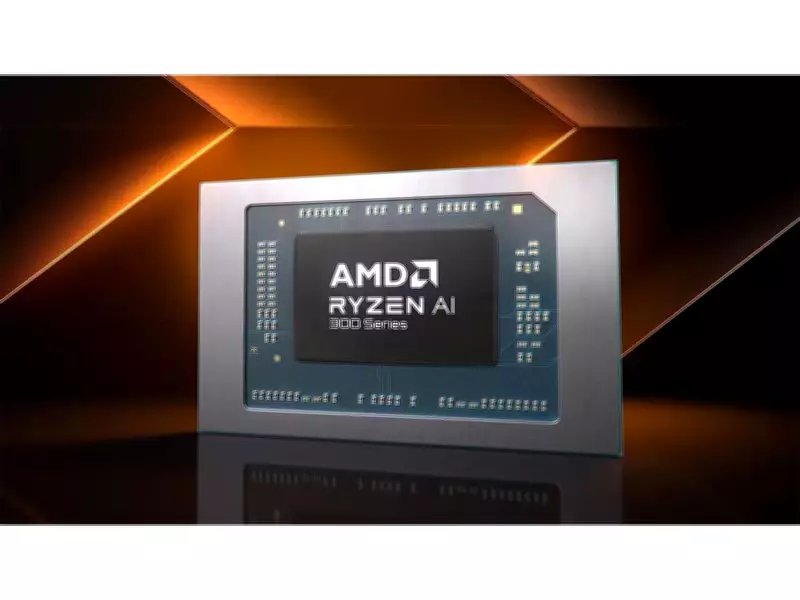
Advanced Micro Devices (AMD) CEO Lisa Su has stated that the rapid growth of artificial intelligence (AI) is bringing central processing units (CPUs) back into focus. In a recent interview, Su explained that while GPUs have been the star of the AI boom, CPUs remain essential for handling a wide range of workloads, including AI inference and data preprocessing.
CPUs and AI: A Complementary Relationship
Su emphasized that the AI ecosystem is not solely reliant on GPUs. CPUs play a critical role in tasks such as data preparation, orchestration, and inference, especially in edge computing scenarios. She noted that as AI models become more complex, the need for balanced compute systems that include both CPUs and GPUs is increasing.
Market Opportunities
AMD sees significant opportunities in the AI market, with its EPYC server CPUs and Instinct GPUs being well-positioned. The company has been gaining market share in the server CPU segment, and Su believes that the demand for CPUs will grow as AI workloads diversify. She also highlighted the importance of software ecosystems, with AMD investing in open-source tools to support developers.

- AI Inference: CPUs are particularly efficient for inference tasks, especially when latency and power consumption are critical.
- Edge Computing: Many AI applications at the edge rely on CPUs due to their flexibility and lower cost.
- Hybrid Workloads: Data centers increasingly run mixed workloads that benefit from a combination of CPUs and accelerators.
Su's comments come as AMD prepares to launch its next-generation Turin server CPUs based on the Zen 5 architecture, which are expected to deliver significant performance improvements for AI and enterprise workloads. The company is also expanding its GPU lineup with the MI300 series, targeting both training and inference.
Industry Context
The AI industry has been dominated by NVIDIA's GPUs, but AMD is positioning itself as a strong competitor. Su's remarks underscore the belief that the future of AI computing will be heterogeneous, requiring a mix of processing units. This aligns with industry trends where companies like Intel and Arm are also focusing on AI-capable CPUs.
In conclusion, AMD's CEO believes that the rapid growth of AI is not just a boon for GPUs but also revitalizes the role of CPUs. As AI becomes more pervasive, the demand for versatile, efficient CPUs will continue to rise, offering new opportunities for chipmakers.