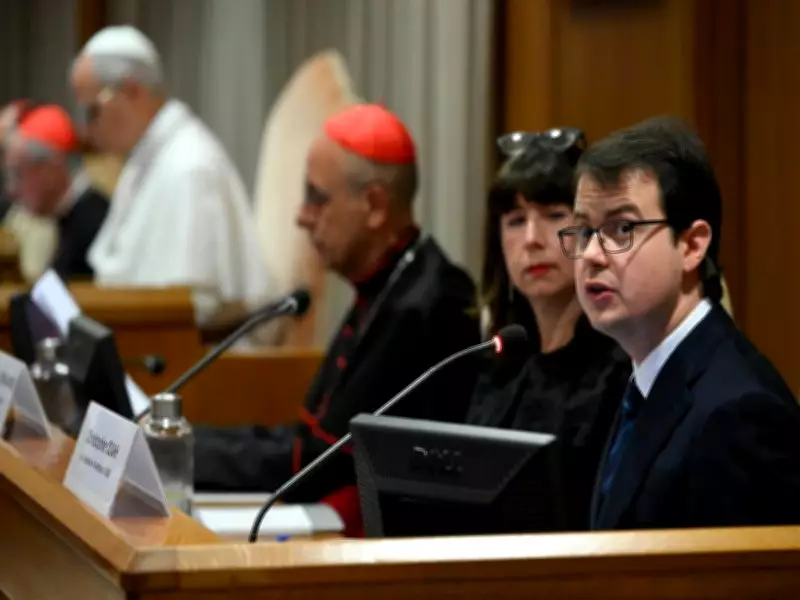
Anthropic co-founder Chris Olah delivered a compelling address at a Vatican summit, underscoring the urgent need for moral oversight in artificial intelligence development. Speaking before an audience of ethicists, technologists, and religious leaders, Olah argued that AI systems must be guided by ethical principles that extend far beyond the confines of research laboratories.
The Necessity of Ethical Frameworks
Olah emphasized that as AI becomes increasingly integrated into daily life, the technology cannot be left solely to engineers and data scientists. He called for a multidisciplinary approach involving philosophers, theologians, and policymakers to ensure that AI aligns with human dignity and common good. The Vatican summit, known for its focus on technology and ethics, provided a fitting platform for this discussion.
Beyond Technical Solutions
According to Olah, technical safeguards alone are insufficient to address the complex moral dilemmas posed by AI. He highlighted issues such as bias, privacy, and accountability, which require ongoing dialogue and oversight. Olah pointed to the potential risks of AI systems making autonomous decisions without proper ethical checks, stressing that proactive measures are essential.

The Role of Institutions
Olah praised the Vatican's initiative in hosting such dialogues, noting that religious and ethical institutions have a crucial role in shaping the future of AI. He called for collaboration between tech companies, governments, and civil society to establish global standards. The summit concluded with a call to action for responsible innovation that prioritizes human welfare.
This event marks another step in the growing recognition that AI governance must include moral considerations, not just technical ones. As Olah stated, the goal is not to hinder progress but to guide it in a direction that benefits all of humanity.