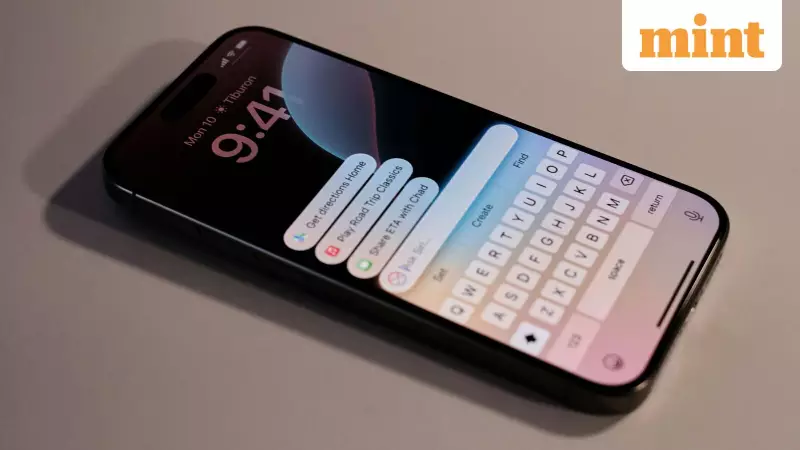
Apple Reportedly Developing Gemini-Powered Siri Chatbot for iOS 27
In a significant move that could redefine how users interact with their Apple devices, the tech giant is reportedly working on transforming Siri into a comprehensive artificial intelligence chatbot. According to a new report from Bloomberg's Mark Gurman, this ambitious project aims to replace the current Siri interface with a sophisticated AI assistant comparable to Google Gemini and ChatGPT.
Project Campos: Apple's Ambitious AI Initiative
Internally codenamed "Campos," this development represents Apple's most substantial overhaul of Siri to date. The company is said to be planning to unveil this new AI chatbot at its Worldwide Developers Conference (WWDC) in June 2026, with the actual rollout expected to coincide with the launch of new iPhone models in September of that year.
This initiative goes beyond the smarter Siri upgrade scheduled for the iOS 26.4 update, marking a fundamental shift in how Apple approaches artificial intelligence integration across its ecosystem.

How the New Siri Chatbot Will Transform Your iPhone Experience
The revamped Siri chatbot is expected to be deeply embedded into iPhone, iPad, and Mac operating systems, fundamentally changing how users interact with their devices while maintaining familiar activation methods. Users will reportedly still be able to summon the service by speaking the "Siri" command or holding the side button, ensuring continuity in user experience.
Key capabilities of the new AI-powered Siri include:
- Advanced web search functionality similar to current AI chatbots
- Content creation and generation abilities
- Image generation and manipulation features
- Information summarization and analysis of uploaded files
- Device control for tasks like making phone calls, setting timers, and launching the camera
Personalized AI Integration Across Apple's Ecosystem
One of the most significant aspects of this development is the chatbot's ability to leverage user personal data to complete specific tasks. This could include locating files, finding songs, managing calendar events, and accessing photos based on descriptive queries.
Apple is reportedly focusing on integrating the new chatbot across its core applications, including:
- Mail for composing and managing emails
- Music and Podcasts for content discovery
- TV for entertainment recommendations
- Xcode programming software for development assistance
- Photos for image search and editing capabilities
Google Partnership and Technical Foundation
The technological backbone of this initiative appears to stem from Apple's recent partnership with Google. According to reports, the Siri chatbot will feature an Apple-designed interface but will be powered by Google's Gemini technology through a custom AI model developed specifically for Apple's needs.
This collaboration represents a significant shift in Apple's approach to artificial intelligence, leveraging Google's established expertise in large language models while maintaining Apple's signature design philosophy.
Two-Tier AI Implementation Strategy
Apple appears to be implementing a two-phase approach to AI integration. The initial smarter Siri voice assistant, set to debut with iOS 26.4, will run on a custom Google-developed model internally known as Apple Foundation Models version 10.
The more advanced Siri chatbot, however, is expected to utilize an even more powerful AI model comparable to Gemini 3, internally designated as Apple Foundation Models version 11. This suggests Apple is building a scalable AI infrastructure that can accommodate both immediate improvements and long-term transformation of its virtual assistant capabilities.
While Apple is reportedly testing a standalone Siri chatbot application internally, current plans indicate the company is prioritizing deep integration across existing applications rather than creating a separate app for users.
This development represents a pivotal moment in the evolution of virtual assistants, potentially setting new standards for how AI integrates with personal devices and transforms everyday digital interactions.