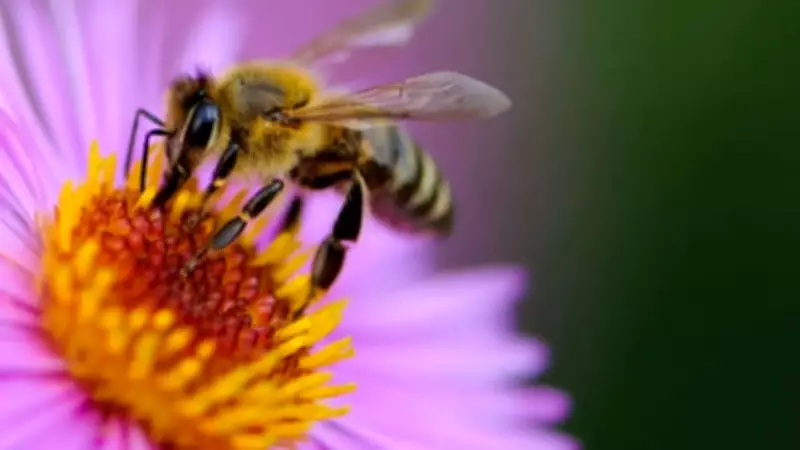
You have flowers, but your garden lacks fruits, vegetables, or butterflies. The issue likely isn't your soil but your pollinators. Bees are nature's quiet heroes, moving from flower to flower to ensure plant reproduction. Without them, many foods like apples, strawberries, almonds, tomatoes, pumpkins, and coffee would become scarce and expensive. Approximately 75% of flowering plants and 35% of global food crops depend on animal pollinators, primarily bees.
Why Your Garden Needs Bees
Laura Leger, Ph.D. in Entomology from UC Riverside, explains, "Without bees and other pollinators, we wouldn't have much floral or fruit diversity. Our diets would rely on wind-pollinated crops like grains, and our backyards would lack vibrant colors from flowering plants." Pollination occurs when bees visit flowers for food and inadvertently transfer pollen, enabling fruit and seed production. Declining bee populations due to habitat loss, pesticides, climate change, and urbanization threaten this process. However, small changes can make a significant difference. Even a balcony with potted flowers or a small herb garden can support bees.
How to Create a Bee-Friendly Garden
Making your garden bee-friendly not only helps the planet but also improves plant growth and yields. Here are practical steps:

Plant a Variety of Flowers
Choose flowers of different shapes, sizes, and colors. "Flowers are food for bees! The more diverse your garden, the more diverse your pollinators," says Leger. Sunflowers, for instance, can help prevent some bee diseases.
Go Native
Bees need nectar and pollen. Plant native trees, shrubs, annuals, and perennials that bloom throughout the season. In spring, oaks, maples, and fruit trees provide abundant flowers. In late summer and fall, asters and goldenrods offer food. Consult the Xerces Society's pollinator plant lists for your region.
Keep Wildlife in Mind
Design your garden to serve pollinators and other creatures, even if it means including plants you wouldn't typically choose.
Reduce Pesticides
Pesticides are a major cause of bee decline. They persist on plants and harm bees long after application. Opt for natural pest controls, such as introducing ladybugs or praying mantises, using insecticidal soap, or cayenne pepper. This keeps plants safe and bees healthy.
Provide Nesting Spaces
Many bees nest solo, not in hives. Some dig in soil, others use tree cavities or hollow branches. Offer bee hotels or leave scrap wood to invite nesting bees, which will likely pollinate your plants.
Engage Your Community
Gardening and attracting bees becomes more enjoyable as a community effort. Share favorite native flowers, discuss pollinator-friendly practices, or put up signs encouraging others to join. Your small patch can inspire neighborhood-wide change.
By implementing these strategies, you can transform your garden into a haven for bees, enhancing pollination and biodiversity.