

A 28-year-old student from Bihar, who had almost lost hope of walking normally after a devastating road accident and 10 unsuccessful surgeries, has regained his mobility thanks to a rare and highly complex reconstruction surgery at Sir Ganga Ram Hospital in New Delhi. Doctors utilized a patient-specific 3D-printed hip implant, marking the first time the hospital has employed such a customized acetabular implant in a patient with chronic infection and massive hip bone loss following multiple surgeries.
Patient's Background and Ordeal
The patient, hailing from Lalganj near Patna, was pursuing a graduation degree in English and aspired to become a college faculty member in Hajipur. In June 2024, he suffered a severe road accident near his college. Over the next nearly two years, he underwent 10 surgeries, including fracture fixation procedures, implant removals, and repeated infection-cleaning operations. Despite prolonged antibiotic treatment, he continued to suffer from chronic infection, persistent pus discharge, and extensive destruction of the hip joint, making reconstruction extremely difficult.
Challenges with Conventional Implants
Doctors reported that the young man was left with severe pain, instability, and major bone loss around the hip. Conventional implants were unlikely to work due to the damaged anatomy. A multidisciplinary team led by Dr. Nipun Rana, consultant in joint replacement, planned the surgery in stages.

Surgical Approach and 3D-Printed Implant
First, doctors identified the infection using an advanced molecular diagnostic test called the BioFire Joint Infection Panel, which detects multiple pathogens from a single sample through genetic testing. After controlling the infection with targeted antibiotics and surgical cleaning, they created a CT-based 3D reconstruction of the pelvis and designed a customized titanium implant specifically matching the patient's anatomy.
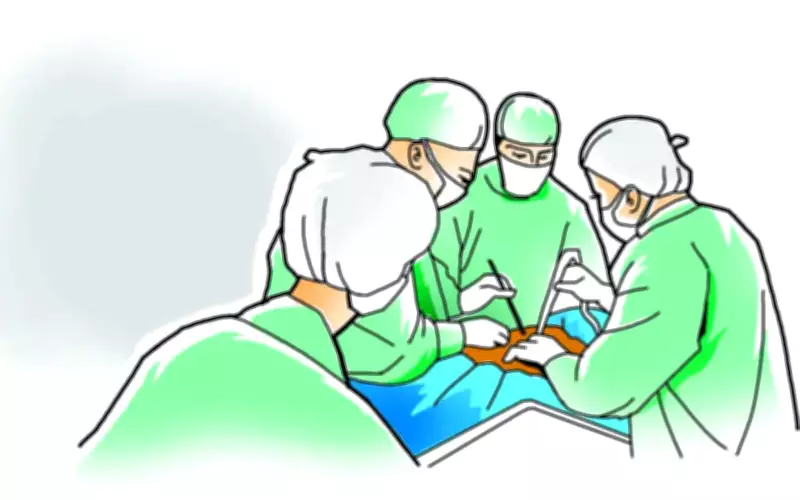
The surgery, which was the patient's 11th operation, lasted nearly six hours and involved revision total hip replacement using the patient-specific implant. The custom implant allowed precise reconstruction of the damaged hip socket, accurate screw placement, and restoration of joint stability in an area where standard implants often fail due to severe bone loss and deformity.
Recovery and Outcome
Within a week of surgery, the patient showed early recovery with improved mobility and no active signs of infection. Doctors confirmed that the hip joint is currently stable and the persistent sinus discharge has completely resolved.
Dr. Nipun Rana emphasized, "In complex cases like this, success lies not in rushing to replace the joint but in controlling the infection first and planning reconstruction meticulously." He added that patient-specific implants are helping surgeons rebuild bone defects that conventional methods cannot adequately address.






