

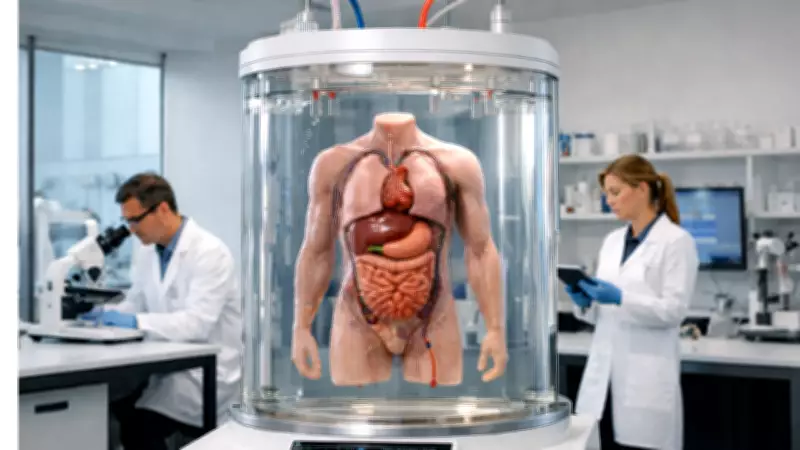
Bodyoids: The Brainless Human-Like Systems Set to Revolutionize Medicine
A groundbreaking frontier in biotechnology is rapidly blurring the boundaries between science fiction and tangible reality. A startup, supported by affluent investors including R3 Bio, is pioneering the development of "bodyoids"—human-like biological systems cultivated from stem cells but intentionally engineered without brains. These structures lack consciousness or sentience, yet they hold the potential to sustain fully functioning organs. The concept is as audacious as it is contentious: establishing a biological platform that could supplant animal testing and, in the future, offer a scalable and ethically derived supply of transplantable human organs.
The Rise of Bodyoids: Growing Human-Like Systems Without a Brain
Bodyoids represent an evolutionary leap from organoid science, where researchers nurture miniature organ replicas in laboratory settings. Unlike isolated tissues, bodyoids aim to integrate multiple organ systems into a single, cohesive biological structure. Crucially, they are designed without a brain or central nervous system, which distinguishes them from traditional biological models.
What renders bodyoids particularly significant is their capacity to replicate system-level biology. Instead of examining organs in isolation, scientists can observe interactions, stress responses, drug metabolism, and disease behaviors within a unified environment. Organoids have long been utilized to model conditions such as cancer, neurological disorders, and viral infections, but their isolated nature imposes limitations on their applicability.

Bodyoids signify the next progression by advancing toward integrated biological architectures. Initial efforts have concentrated on animal-derived cells, especially from primates, as researchers refine techniques to cultivate and maintain complex tissue networks before transitioning to fully human-derived systems.
Who Is Backing the Bodyoid Breakthrough?
The project has garnered substantial financial backing from notable investors, indicating robust confidence in its long-term prospects. Among them is Tim Draper, a billionaire renowned for early investments in disruptive technologies. He is joined by biotech-focused investment firms such as Immortal Dragons and LongGame Ventures, both specializing in longevity and regenerative medicine. Their involvement underscores that bodyoids are perceived not merely as experimental science but as a future cornerstone of healthcare, particularly in domains like organ replacement and life extension.
Why Biotech Companies Are Racing Toward This Innovation
The drive toward bodyoids is propelled by scientific constraints, ethical considerations, and policy transformations. Animal testing frequently fails to accurately predict human outcomes, resulting in expensive setbacks in drug development. Concurrently, ethical concerns have intensified, prompting regulators and researchers to seek alternatives.
Institutions such as the Food and Drug Administration and the National Institutes of Health have started advocating for non-animal testing models, with additional momentum influenced by policy signals under Donald Trump. Furthermore, the persistent global shortage of transplantable organs continues to fuel interest in laboratory-grown alternatives.
How the Science of Bodyoids Works
The process commences with pluripotent stem cells capable of differentiating into any human tissue type. Scientists direct these cells using biochemical signals to form specific organs and then organize them into structured systems. Advanced bioreactors simulate internal physiological conditions by providing oxygen, nutrients, and waste removal mechanisms.
A pivotal breakthrough involves preventing brain formation by deactivating developmental pathways responsible for neural tissue, ensuring the system remains non-sentient while supporting organ growth. This technical feat is central to both the feasibility and ethical acceptance of bodyoids.

The Organ Factory Vision: A Future of Replacement Medicine
The long-term aspiration behind bodyoids is to transition medicine from repair to replacement. Rather than awaiting donors, physicians could access organs grown in controlled environments and tailored to individual patients. This approach could diminish rejection risks and eliminate the necessity for lifelong immunosuppressive therapy.
Such a system might also curtail illegal organ trade and transform emergency care, with hospitals potentially maintaining ready supplies of critical organs. The vision extends to creating a sustainable, on-demand source for transplantation, addressing one of healthcare's most pressing challenges.
Why Removing the Brain Changes Everything
The absence of a brain is fundamental to both the practicality and ethics of bodyoids. Without neural structures, these systems cannot experience awareness or pain, enabling researchers to explore complex biology without transgressing major ethical boundaries. However, as these systems grow more sophisticated, they challenge conventional definitions of life and provoke questions about the demarcation between biological tool and organism.
Ethical Concerns and the Growing Debate
The development of bodyoids has ignited a broader discourse on the limits of biotechnology. Some critics argue that creating human-like biological systems for utilitarian purposes risks commodifying human life. Others caution that future advancements could further push ethical boundaries.
Unresolved issues persist regarding ownership and consent when human-derived cells are utilized. Proponents, however, emphasize the potential to save lives, eradicate animal suffering, and propel medical science forward. The debate underscores the need for careful ethical frameworks as this technology evolves.
The Biggest Challenges Ahead for Bodyoid Technology
Significant obstacles remain before bodyoids become a practical reality. One of the foremost challenges is developing stable vascular systems capable of sustaining multiple organs over extended periods. Scaling production and ensuring long-term functionality also present substantial engineering hurdles.
Regulation remains ambiguous, as existing frameworks do not fully address entities that are neither human nor conventional biological samples. Public acceptance will play a critical role in determining the trajectory of this technology, influencing its integration into mainstream medicine.
Bodyoids represent a potentially transformative shift in biotechnology, with the capacity to reshape drug testing and organ transplantation. Simultaneously, they raise fundamental questions about the nature of life and the boundaries of scientific progress. Their future will hinge not only on technological breakthroughs but also on how society navigates the ethical challenges they present.





