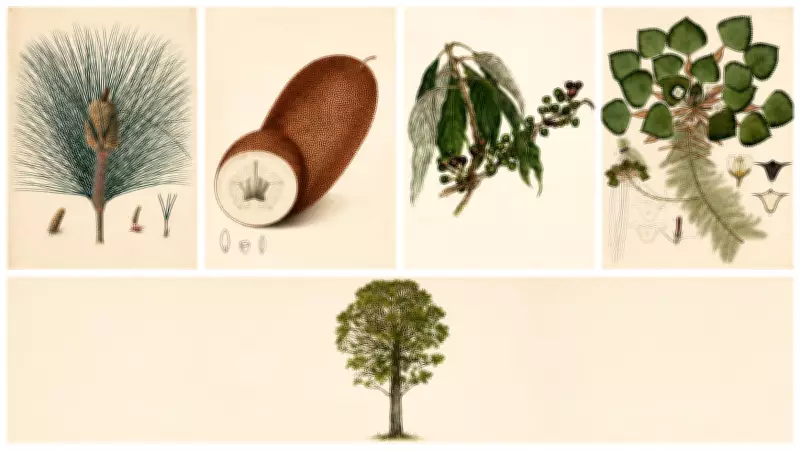
After nearly a century of decline, a certain species has begun to repopulate the plant kingdom: the botanical artist. Observed in parks and plains, often in the shaded understory of trees, they occur both as solitary specimens and in scattered clusters, typically found bent over sketchbooks in close contemplation of vegetation. Botanical art is the detailed depiction of an idealized plant specimen in ink and watercolour, rendered in fine lines that trace the plant's form across seasons and stages of growth to foreground defining features and hidden anatomy.
This resurgence marks a significant shift for a practice that had been waning for decades. Once a cornerstone of scientific illustration, botanical art fell out of favor as photography and digital imaging became dominant. However, a new generation of artists and enthusiasts is rediscovering the unique value of hand-rendered plant portraits. The slow, meditative process of observing and drawing a single specimen allows for a depth of understanding that a camera cannot capture.
Why Now?
Several factors contribute to the revival. First, there is a growing appreciation for traditional craftsmanship in an increasingly digital world. People seek tangible, handmade objects that require skill and patience. Second, environmental awareness has spurred interest in nature and biodiversity. Botanical art serves as a record of plant life, highlighting species that may be threatened or endangered. Third, social media platforms like Instagram provide a global gallery for artists to share their work, connect with collectors, and find inspiration.

Community and Education
Workshops and courses in botanical illustration have proliferated, both online and in person. Botanical gardens and art institutions now offer dedicated programs, attracting students from diverse backgrounds. The community is collaborative, with artists exchanging tips on technique and plant identification. This educational infrastructure ensures the craft is passed down to future generations.
The art form itself demands precision and patience. Artists must understand plant anatomy, growth patterns, and seasonal changes. They often work from live specimens or preserved herbarium sheets, spending hours or even days on a single piece. The result is a scientifically accurate yet aesthetically pleasing image that reveals details often invisible to the naked eye.
Market and Collectors
The market for botanical art is also thriving. Galleries report increased sales, and contemporary botanical artists command high prices for original works. Collectors range from botany enthusiasts to interior designers seeking natural motifs. Limited edition prints and books featuring botanical illustrations have become popular gifts and decorative items.
In conclusion, the revival of botanical art is a testament to the enduring appeal of nature and the human desire to capture its beauty with skill and care. As long as there are plants to observe and artists willing to dedicate themselves to this meticulous craft, botanical art will continue to bloom.