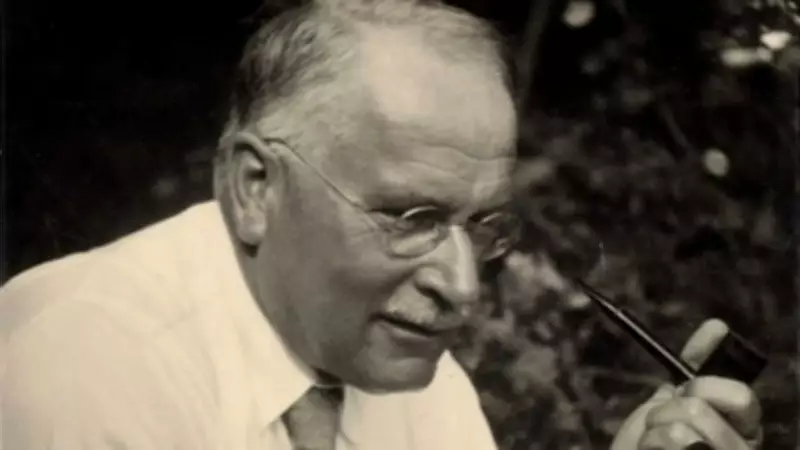
Carl Jung's Timeless Wisdom on Loneliness
Some quotes remain relevant across generations, capturing universal emotions. One such quote comes from Swiss psychiatrist Carl Jung: "Loneliness does not come from having no people about one, but from being unable to communicate the things that seem important to oneself, or from holding certain views which others find inadmissible." This profound observation has been debated for decades because it describes loneliness in a way many instantly recognize.
At first glance, the quote seems to refer to social isolation. However, Jung's insight is far deeper: loneliness is not solely about physical solitude. True loneliness often arises when people feel emotionally unheard, misunderstood, or unable to express their authentic thoughts and feelings. Even in today's hyper-connected world of smartphones and social media, many remain emotionally disconnected. Jung's words help explain why someone can feel lonely even when surrounded by others.
Understanding Emotional Loneliness
Jung believed humans naturally seek emotional understanding. Most people desire more than mere company; they crave genuine communication where they feel accepted and understood. According to Jung, loneliness intensifies when one cannot speak freely about what truly matters—personal beliefs, emotional struggles, fears, ambitions, memories, insecurities, or opinions they fear others will reject.

Over time, many learn to hide parts of themselves to avoid criticism, conflict, or judgment. This creates emotional distance between them and those around them. Consequently, someone can have family, friends, colleagues, or a large online following yet still feel profoundly lonely inside. Jung's quote highlights a psychological reality that remains highly relevant: emotional silence often feels more isolating than physical distance.
Why Jung's Words Resonate in Modern Society
Modern life has transformed communication. People are constantly connected through messages, video calls, and social networks. Yet emotional loneliness is more prevalent than ever. A key distinction exists between communication and emotional connection. Many people share information without vulnerability—conversations often revolve around routines, work, entertainment, or superficial topics, while deeper emotions remain hidden.
Social media exacerbates this by encouraging polished versions of life. People publicly share successes, happiness, and celebrations but keep fear, confusion, sadness, and insecurities private. Jung's quote explains the consequences of this imbalance. When people cannot discuss what truly matters, emotional isolation slowly progresses beneath daily social interactions. Outwardly, they may appear socially active; inwardly, they feel disconnected.
The quote also addresses a modern worry: fear of judgment. Some hesitate to share certain thoughts due to fear of negative perception or social shunning. Jung understood that emotional loneliness often stems from concealing one's true self.
The Psychological Foundation of Jung's Philosophy
Born in Switzerland in 1875, Carl Jung became one of modern psychology's most influential thinkers. Initially collaborating with Sigmund Freud, Jung later developed distinct theories focusing on dreams, mythology, spirituality, symbolism, identity, personality types, and the unconscious mind. He introduced concepts like introversion and extroversion, the collective unconscious, archetypes, the shadow self, and individuation—ideas that still influence psychology today.
Jung believed everyone has hidden emotional layers that shape behavior and relationships, even if feelings remain unexpressed. This view directly relates to his statement on loneliness. He recognized that people often struggle emotionally when their inner reality differs from the version they present to the world.
The Struggle to Communicate What Truly Matters
Jung's quote speaks to a common human experience: the fear of not being understood. People often avoid discussing innermost thoughts due to fear of rejection or misunderstanding. Some worry about sounding too emotional, appearing weak, weird, controversial, or unlike their peers. This emotional self-censoring occurs in friendships, workplaces, families, classrooms, and romantic relationships.

Constantly filtering thoughts is emotionally draining. Over time, individuals may feel isolated because parts of their personality remain invisible to others. Modern psychology confirms that suppressing emotions increases stress, anxiety, frustration, and feelings of isolation—a pattern Jung identified long before widespread mental health discussions. His quote remains powerful because it defines loneliness as a psychological experience, not merely a social condition.
Jung's Emphasis on Self-Discovery and Emotional Honesty
Much of Jung's work centered on self-awareness and emotional truth. He believed true personal growth comes from understanding oneself honestly, not seeking constant external approval. One of his famous concepts is the "shadow self"—the feelings, drives, anxieties, and personality traits we may not want to admit. Jung argued that ignoring these hidden aspects leads to emotional imbalance. Psychological growth, he asserted, requires acknowledging and understanding all parts of oneself, not permanently hiding uncomfortable emotions.
This philosophy connects directly to his comment on loneliness. When people feel unable to express meaningful thoughts or emotions, they gradually become separated from their authentic identity. They may participate in social life externally, but internally, they feel emotionally unseen.
Jung's Enduring Influence
Jung died in 1961, but his ideas continue to affect psychology, literature, philosophy, education, spirituality, and pop culture. His personality type theories laid the groundwork for modern personality research, including the popular introvert-extrovert dichotomy. His work on dreams, symbols, myths, and archetypes has influenced storytelling, filmmaking, and literature worldwide. What made Jung unique was his willingness to explore both science and human experience, recognizing that emotions, imagination, spirituality, memory, and unconscious thought all shape human behavior.
Loneliness in Today's World
In earlier generations, loneliness was primarily associated with physical isolation. Today, it is more psychologically complex. It is possible to spend days socializing with colleagues, friends, family, or online communities and still feel emotionally disconnected. Mental health researchers increasingly define loneliness not just as absence of people, but as absence of meaningful emotional connection. Jung's quote predicted this understanding decades ago.
The quote explains that emotional isolation develops when people feel unable to fully communicate what is truly important to them. This invisible emotional wall makes loneliness harder to identify, as many function normally externally while privately struggling with feelings of emotional invisibility.
Other Notable Quotes by Carl Jung
- "Knowing your own darkness is the best method for dealing with the darknesses of other people."
- "Until you make the unconscious conscious, it will direct your life and you will call it fate."
- "Who looks outside, dreams; who looks inside, awakes."
- "I am not what happened to me, I am what I choose to become."
- "Everything that irritates us about others can lead us to an understanding of ourselves."
- "The privilege of a lifetime is to become who you truly are."
Why Jung's Quote Continues to Matter
Some quotes are memorable for their poetry; others for bringing clarity to profoundly human experiences. Jung's quote endures because it captures a sentiment many struggle to express: loneliness. It reminds us that loneliness is not always about physical isolation—it often grows quietly when people feel unable to express their true thoughts, beliefs, fears, or emotions openly. In a world of constant conversation yet growing emotional disconnection, Jung's observation seems surprisingly modern. His words remind us that real human connection is not just about talking, but about being heard.