

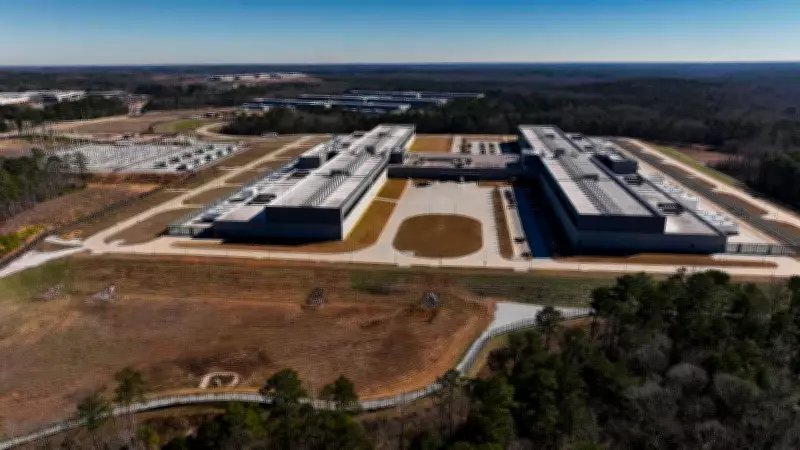
Cerebras Systems Chief Executive Officer Andrew Feldman has attributed the growing backlash against data centers in the United States to the actions of data center builders and operators. The CEO of the AI chip company criticized what he described as the reckless manner in which some builders and operators have pushed through projects, behaving like 'dopes' and sparking anger in local communities. He suggested that some resources used for infrastructure could be redirected to benefit residents, and emphasized the need to better communicate the advantages of these facilities, which are currently lacking.
Feldman stated, 'We could have been good neighbors.' He added, 'What we did is we raced ahead. We didn't think about the communities.' In recent months, the rapid expansion of data centers across the US has become a contentious issue, with several states enacting laws to restrict construction in various ways, and some even planning to halt it entirely.
Founded in 2015, Cerebras specializes in producing custom chips for running advanced AI models, competing in a market dominated by Nvidia. Demand for Cerebras' processors has surged as AI labs shift from training models to deploying them. The company claims that computers based on its chips are faster at inference work, where a trained AI model makes predictions based on new data. However, the unique nature of these chips means they do not fit into standard computer hardware. Cerebras has developed its own computers and operates a network of data centers offering AI processing as a service.

Valued at over $50 billion, the Sunnyvale, California-based company made its public debut, raising $5.5 billion in the largest initial public offering (IPO) of the year so far. The IPO generated $5.55 billion for Cerebras, based on the sale of 30 million shares. According to a filing with the Securities and Exchange Commission, Cerebras' revenue rose to $510 million in the year ending December 31, up from $290.3 million the previous year.
Americans Unhappy with AI Data Centers, Survey Finds
Seven in 10 Americans reportedly oppose the construction of data centers for artificial intelligence in their local area, including nearly half (48%) who are strongly opposed. Barely a quarter favor these projects, with only 7% strongly in favor. These results come from a Gallup survey conducted from March 2 to 18, marking the first time Gallup has asked about data center construction. These data centers house computing equipment that powers AI technology used by businesses, universities, and other institutions. The centers occupy large land areas, require substantial electricity to operate, and need significant water for cooling equipment, raising concerns about their environmental impact and local electricity bills.
The data center question parallels the wording Gallup uses to ask about local nuclear power plant construction. In the same March survey, 53% of Americans opposed building a nuclear energy plant in their area, far less than the 71% opposed to data center construction. Since Gallup first asked the nuclear power plant question in 2001, the highest opposition level has been 63%.
The March survey also asked people to rate their concern about the environmental impact of AI data centers. Forty-six percent said they worry a great deal, and 24% a fair amount, largely reflecting the degrees of opposition to data center construction. Half of opponents cited data centers' excessive use of resources, including 18% each mentioning water and energy use. Sixteen percent mentioned related environmental concerns such as pollution, including noise pollution and air and water pollution.






