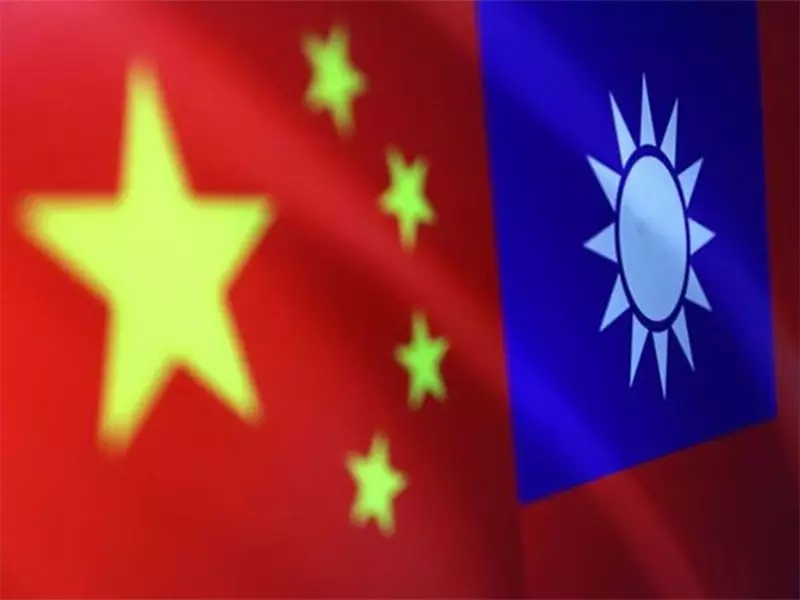
A new and alarming report has accused the Chinese government of systematically deploying artificial intelligence to generate disinformation, aiming to undermine Taiwan's democratic processes and influence public opinion on the island. The findings highlight a sophisticated digital campaign that represents a significant escalation in cross-strait tensions, moving into the realm of cognitive warfare.
The Digital Front in the Taiwan Strait
The investigation, detailed by the UK-based newspaper The Guardian and citing a report from the International Republican Institute (IRI), points to a coordinated strategy emanating from China. The core allegation is that state-linked actors are utilising advanced AI tools to create and disseminate false content tailored for Taiwanese audiences. This content is designed to shape narratives around critical issues, including the recent presidential and parliamentary elections held in January 2024.
The report specifically identifies networks that used AI-generated audio to impersonate candidates like Ko Wen-je of the Taiwan People's Party (TPP). These fabricated clips were circulated to mislead voters and distort the electoral landscape. Furthermore, the disinformation efforts extend beyond elections, targeting key policy debates such as Taiwan's energy security, with false claims about power shortages being a common theme.

Methods and Mechanisms of AI Interference
The campaign employs a multi-faceted approach, leveraging not just AI-generated audio but also text and imagery. The content is often seeded on Chinese platforms like Weibo or TikTok and then allowed to migrate organically, or sometimes pushed deliberately, onto Taiwanese social media channels and online forums. This creates a veil of authenticity and makes the source of the disinformation harder to trace.
Experts analysing these patterns note that the AI-generated material is becoming increasingly difficult to distinguish from real human-created content. The sophistication lies in tailoring messages to exploit existing societal fractures or specific local concerns within Taiwan, making them more persuasive and shareable. This represents a move from broad propaganda to personalised, micro-targeted influence operations.
Regional Implications and Democratic Resilience
The implications of this activity extend far beyond Taiwan's shores. The report serves as a stark warning to other democracies in the Indo-Pacific region and globally about the potential weaponisation of AI in geopolitical conflicts. China's actions are seen as a test case for using technology to exert influence without direct military confrontation.
In response, Taiwanese officials and civil society groups have emphasised the need for enhanced media literacy and more robust digital defence mechanisms. The situation underscores the critical challenge democracies face in protecting their information ecosystems from foreign manipulation enabled by cutting-edge technology. The ongoing tension reinforces Taiwan's precarious position as it navigates threats to both its physical sovereignty and its digital sovereignty.
As AI technology continues to evolve rapidly, the report concludes that the international community must develop coordinated strategies to detect, expose, and counter state-sponsored digital disinformation campaigns, framing it as a fundamental threat to free and fair societies.