The digital revolution, spearheaded by the internet and social media, has fundamentally reshaped Indian democracy. It has handed a microphone to millions who were previously unheard and forged direct channels between citizens and their elected representatives. However, this powerful tool of empowerment has revealed itself to be a double-edged sword, now posing a significant and growing threat to the nation's constitutional framework.
The Digital Empowerment Paradox
There is no denying the transformative impact of online platforms. They have democratized public conversation, allowing for unprecedented civic engagement and holding authorities accountable in real-time. This direct line from the electorate to its leaders was once unimaginable but is now a daily reality. Yet, within this very strength lies a critical vulnerability. The same networks that amplify genuine voices can also be weaponized to distort reality and manipulate public opinion on a massive scale.
The Deepfake Dilemma and Constitutional Threats
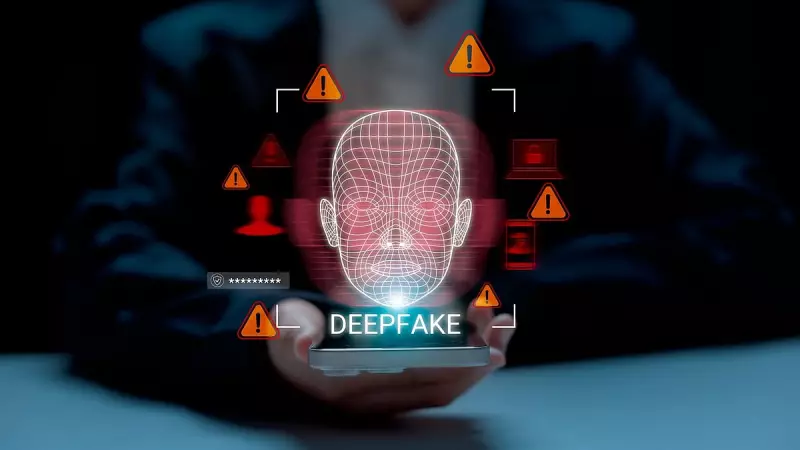
The emergence of sophisticated artificial intelligence, particularly in creating hyper-realistic deepfakes, has escalated this challenge to a new level. These digitally fabricated audio and video clips present a formidable challenge to India’s constitutional order. They threaten the very pillars of informed debate and trust that a healthy democracy requires. When citizens can no longer reliably distinguish fact from malicious fiction, the foundation of public discourse begins to crumble.

The potential for deepfakes to incite violence, spread disinformation during elections, damage reputations, and undermine social harmony is immense. This technology moves beyond mere misinformation; it creates compelling evidence of events that never occurred, making it exceptionally difficult for the average person to scrutinize. The constitutional rights to freedom of expression and information are jeopardized when the information ecosystem is poisoned by credible falsehoods.
Navigating the Future of Digital Discourse
Addressing this crisis requires a multi-pronged approach. Legal frameworks need urgent updating to keep pace with technological abuse, while media literacy among the populace must become a national priority. Social media platforms, which act as the primary conduits for this content, bear a heavy responsibility to deploy robust detection tools and clear accountability mechanisms. The goal is not to stifle the empowering nature of the internet but to safeguard it from those who would use its tools for subversion. The timeline of this issue is pressing, as noted in commentary from Bhuvaneshwar Rai, last updated on 01 December 2025.
The path forward demands collective action from policymakers, tech companies, civil society, and citizens. Preserving the integrity of public discourse in the age of deepfakes is not just a technical challenge but a vital necessity for preserving the health of the world's largest democracy.