

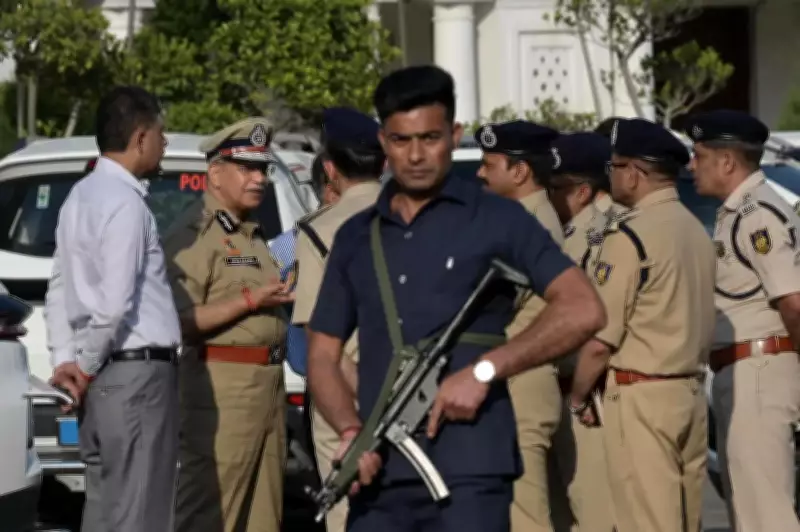
New Delhi: Recognizing the national capital's high vulnerability to an expanding arc of terrorism after Operation Sindoor, Delhi Police commissioner Satish Golchha has ordered the immediate creation of a hyper-local intelligence network by embedding a dedicated counter-terror unit (CTU) within every police station across the city.
New Grassroots Force Multiplier
The sweeping directive aims to establish a robust grassroots force multiplier for the Anti-Terrorism Squad (ATS). By positioning specialized operatives directly at the police station level, the top brass intends to leverage ground-level proximity to disrupt emerging threats, ranging from sleeper cells and radicalized youths to terror-gangster nexus.
According to the official order, the policy shift is driven by structural changes in how modern terror organizations operate. Delhi Police noted an alarming trend where handlers operating from untraceable foreign locations use secure internet platforms to train local recruits to fabricate weapons out of easily accessible materials.

Intelligence on Modern Terror Networks
“Intelligence indicates contemporary terror networks are increasingly relying on underground veteran suspects, funding via cover organizations like religious charities, and active brainwashing of youth aged 18-30 through social media,” said an official. Security forces also highlighted shifting tactical targets, noting a specific push by adversarial networks to maximize international fallout by targeting foreign tourists, installations of friendly nations, and Israeli settlements and places of worship.
To combat this, each station's station house officer (SHO) will carve out a discrete, covert workspace for a CTU team, traditionally composed of one upper subordinate and two-three lower subordinates. Operating without any identifying nameplates or insignia to preserve strict operational secrecy, these units will function under the direct supervision of the local inspector, law and order.
Detailed Mandate for CTU Operatives
The mandate given to these ground-level units is detailed. CTU operatives are tasked with monitoring locations vulnerable to logistical exploitation, including cyber cafes, second-hand car dealerships, short-term rental properties and shops stocking chemicals that could serve as IED precursors.
Additionally, the units will run strict verification drives on transient guests, monitor overstaying foreign nationals, track radicalized individuals lacking formal organizational ties and watch suspicious jail visitors. They will also maintain discreet surveillance on high-risk individuals like terror-linked convicts and gangsters out on bail, while keeping tabs on suspicious travel agencies, local hawala operators and inflammatory digital or print propaganda.
Oversight and Training
To ensure professional execution, ATS will heavily monitor these units. Range assistant commissioners of police (ACPs) from ATS will assign dedicated mentors to provide aptitude training. District-level ATS inspectors will brief the station teams fortnightly, while joint monthly briefings will be conducted by range ACPs.
District deputy commissioners of police (DCPs) have been instructed to carefully vet nominees and shield CTU personnel from routine transfers or general law-and-order duties. The circular mandates that if a CTU team unearths general criminal intelligence unrelated to terrorism, they must hand it off to standard district formations, leaving the covert units free to focus on their primary mission.
Comprehensive Data and Vulnerability Mapping
Officials said the CTU is responsible for maintaining a comprehensive databank containing relevant identifiers and detailed records of suspected persons, institutions, businesses and leisure establishments that could potentially be linked to terror-related or unlawful activities. It will carry out detailed vulnerability mapping of sensitive locations, including religious places, tourist areas and critical infrastructure, categorizing them on a high-, medium- and low-risk basis to strengthen security preparedness. CTU will also monitor activities of individuals or organizations allegedly providing logistical, financial or ideological support to banned Naxal organizations.

CTU has been asked to develop and maintain a strong network of resources and human intelligence inputs that can be effectively utilized for counter-terrorism operations. Officials said the network should be properly documented, regularly updated and systematically handed over to the next incumbent to ensure continuity.
Potential Challenges
Retired officials, however, said CTUs will need to be monitored closely by the police brass so that they don't become a symbolic entity like the post of 'Anti-Terror Officer' that was created in the past but barely served any purpose.





