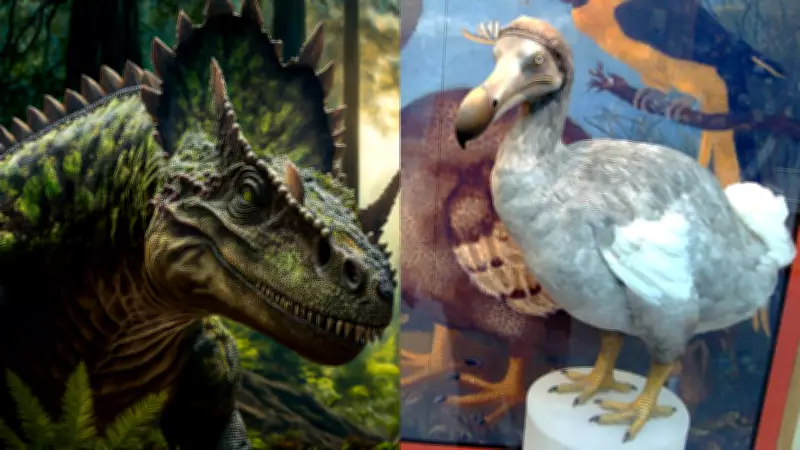
Dinosaurs have always captured the human imagination. From blockbusters like Jurassic Park to modern efforts to de-extinct animals such as woolly mammoths, dodos, and dire wolves, humans remain fascinated by the prospect of bringing extinct life back into existence. Ongoing research in genetic engineering, cloning, and CRISPR technology has sparked discussions within the scientific and biotechnology communities about the potential for extinction reversal. This interest is driven by curiosity, nostalgia, scientific ambition, and even climate concerns. However, alongside these positive aspects lie ethical considerations regarding biodiversity and human intervention in natural processes.
The Enduring Human Fascination with Dinosaurs and De-Extinction
Humans have long been drawn to gigantic animals, and dinosaurs fit this description perfectly. These prehistoric beasts have become ingrained in our culture through books, films, and museums showcasing their massive skeletons. Many view dinosaurs as symbols of awe, dominance, and a world beyond civilization. The movie Jurassic Park revolutionized public opinion by portraying the exciting possibility of resurrecting prehistoric animals through scientific manipulation of ancient DNA. While experts acknowledge that recovering dinosaur DNA is impossible due to its deterioration over millions of years, the idea itself fueled public interest in de-extinction science.
Biotech firms like Colossal Biosciences are already attempting to resurrect recently extinct animals, such as the woolly mammoth, dodo bird, and thylacine, using genetic techniques. In an interview featured in Nature, Ben Lamm, CEO of Colossal Biosciences, stated that the company was inspired to take on this task to inspire future generations amid declining biodiversity levels.

Why Scientists Want to Revive Extinct Species
The concept of de-extinction is no longer confined to science fiction. Specialists from MUSE: The Science Museum in Trento, Italy, emphasize that such technology could become useful for ecosystem restoration and protecting endangered species. Potential methods include cloning, genome editing, and stem cell research. Some scientists argue that reintroduced animals could improve biodiversity and ecological balance.
For instance, Harvard geneticist George Church, a core faculty member of the Wyss Institute and co-founder of Colossal Biosciences, has discussed how gene editing technologies could enable the conservation of living species. Thus, innovations developed for de-extinction might also help protect endangered animals today.
Emotional motives also play a role. Humans have caused species extinction through habitat destruction, hunting, and global warming. Therefore, some specialists believe humans have a moral duty to reverse the damage. Ben Lamm emphasized that humans should take action to counter the negative effects of their own impact.
The Ethical Debate Around Dinosaur Resurrection and De-Extinction
Despite enthusiasm for reviving extinct species, many scientists remain skeptical. Some researchers argue that de-extinction would divert valuable resources away from preserving currently endangered species. Vincent J. Lynch, a scientist from the Department of Biological Sciences at the University at Buffalo, suggests that revived animals would struggle to survive in the modern environment, which has evolved significantly since those species went extinct. Animal welfare, commercialization, and the unpredictable effects of creating genetically modified organisms are additional ethical concerns.
Another crucial fact is that dinosaurs cannot be revived due to the millions of years that have passed since their extinction. Ancient DNA degrades over time, and no dinosaur genome exists today. Most de-extinction attempts focus on recently extinct species with preserved genomes.
Nevertheless, the fascination with bringing dinosaurs back to life persists. It appeals to human desires to make up for losses, overcome nature, and relive ancient times.

About the Author
The TOI Science Desk is an inquisitive team of journalists dedicated to exploring the realms of discovery. They curate a captivating collection of news, features, and articles from the ever-evolving world of science for readers of The Times of India. Whether covering genetic engineering, space exploration, or artificial intelligence, the team ensures readers stay connected to the pulse of the scientific world. They are storytellers of scientific narratives, committed to demystifying science and making it accessible to all.