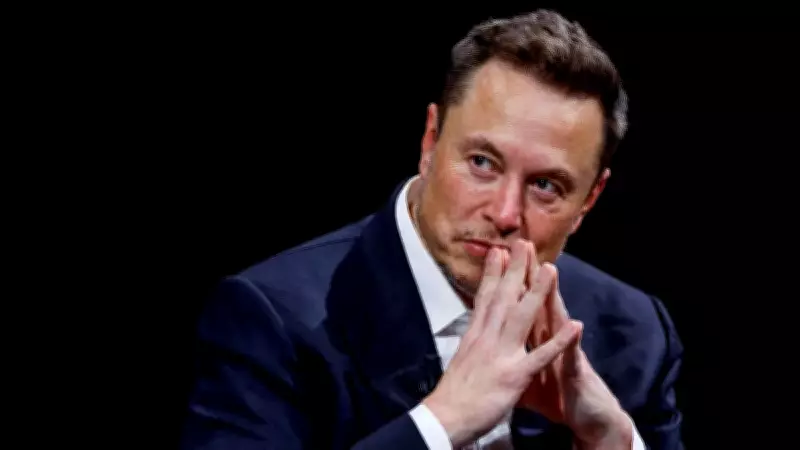
Elon Musk has initiated legal proceedings against OpenAI and its chief executive Sam Altman, accusing them of violating the original nonprofit mission of the artificial intelligence research organization. The lawsuit, filed in a California court, alleges that OpenAI's transition to a for-profit model constitutes a breach of contract and fiduciary duty.
Background of the Dispute
OpenAI was established in 2015 as a nonprofit entity with the goal of developing artificial intelligence that benefits humanity. Musk was a co-founder and early donor, contributing over $50 million. However, in 2018, Musk stepped down from the board to avoid potential conflicts with Tesla's AI development. Since then, OpenAI has restructured into a capped-profit company and later a fully for-profit entity, attracting significant investment from Microsoft.
Key Allegations
The lawsuit claims that OpenAI and Altman have abandoned the founding principles by prioritizing profit over safety and transparency. Musk argues that the shift to a for-profit model violates the original agreement among founders. The complaint also highlights concerns about the deployment of powerful AI systems without adequate safeguards.

- Breach of contract regarding the nonprofit charter
- Fiduciary duty violations by Altman and the board
- Unfair competition and self-dealing
OpenAI's Response
OpenAI has not yet filed a formal response but has previously stated that its transition to a for-profit structure was necessary to raise capital for compute-intensive AI research. The company maintains that its mission to ensure AGI benefits all of humanity remains unchanged. Legal experts suggest the case could set a precedent for AI governance.
Implications for the AI Industry
The lawsuit underscores growing tensions in the AI sector over ethics, control, and commercialization. Musk, who now runs xAI, has been a vocal critic of OpenAI's direction. The outcome may influence how AI companies balance innovation with accountability.
As the legal battle unfolds, stakeholders are watching closely. The case could redefine the boundaries between nonprofit ideals and corporate realities in the rapidly evolving field of artificial intelligence.