

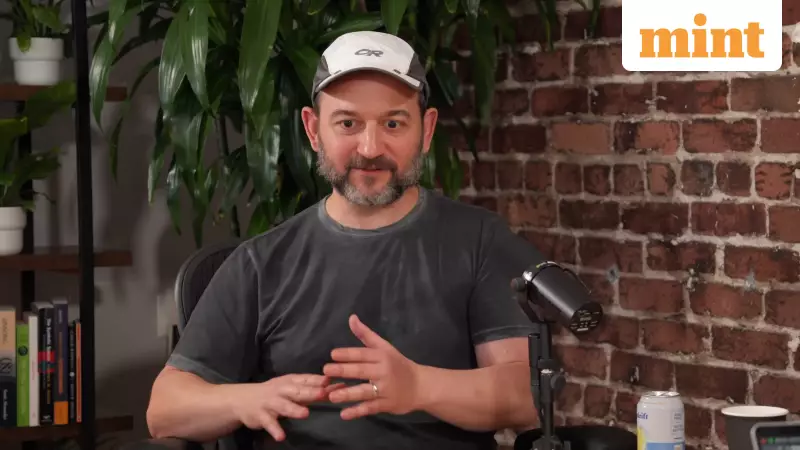
In a dramatic turn of events that has rocked Silicon Valley and the artificial intelligence community, Google finds itself navigating turbulent waters following the controversial return of one of its most brilliant AI minds. The tech giant's strategic move to reacquire Noam Shazeer, a foundational figure in modern AI development, has taken an unexpected turn as internal conflicts emerge over personal beliefs and workplace culture.
The Return of an AI Legend
Late 2024 marked a significant strategic victory for Google when the company successfully orchestrated the return of Noam Shazeer through an innovative licensing agreement with Character.AI. Shazeer, whose contributions to artificial intelligence border on legendary, originally joined Google back in 2000 during the company's formative years. His technical prowess quickly positioned him as a key member of the prestigious Google Brain team, where he made history as co-author of the groundbreaking research paper "Attention Is All You Need."
This seminal work fundamentally transformed the AI industry by introducing the transformer model architecture that now serves as the foundation for all modern large language models. During his initial tenure at Google, Shazeer and his colleagues developed an advanced chatbot called Meena. When Google hesitated to release this technology to the public, Shazeer made the bold decision to depart the tech behemoth in 2021, co-founding Character.AI, a startup that enables users to interact with AI avatars of both real and fictional personalities.

The Controversy Erupts
According to an explosive report by The Information, Shazeer's return to Google has been anything but smooth. While the AI pioneer has played a crucial role in shaping Google's Gemini AI system since his comeback, his recent statements on internal company forums have ignited a firestorm of controversy among colleagues.
The situation reached boiling point when Shazeer participated in a company-wide discussion about supporting transgender and non-binary employees. In a post that has since drawn widespread attention, Shazeer articulated views that directly challenged prevailing corporate perspectives. "I do not believe that humans have an attribute called gender," Shazeer declared in the internal forum. He further elaborated, "I do not believe that G-d puts people in the wrong bodies. I do not believe that it is okay to sterilize children. You have the right to your beliefs. I do not share them."
The publication's revelations indicate that these comments provoked significant anger among Google staff members, ultimately prompting company management to censor Shazeer's statements on the internal platform.
Industry Reactions and Broader Implications
The controversy quickly spilled beyond Google's corporate walls, attracting attention from one of the most influential figures in technology. Elon Musk, owner of xAI and a frequent critic of what he terms the 'woke mind virus,' publicly endorsed Shazeer's position through a post on his social media platform X. Musk's simple yet powerful declaration—"Noam is right"—added fuel to an already blazing debate about free speech, corporate culture, and diversity in the technology sector.
This incident occurs against the backdrop of intense competition in the artificial intelligence landscape. The 2022 debut of ChatGPT fundamentally altered market dynamics, pushing Google to accelerate its AI initiatives. The company launched its Bard chatbot, subsequently rebranded as Gemini, and sought to bolster its talent pool through strategic acquisitions and partnerships.
The Character.AI licensing agreement that facilitated Shazeer's return represents a crucial component of Google's AI strategy. The deal brought not only Shazeer but also co-founder Daniel De Freitas and several research team members back into Google's fold, significantly strengthening the company's AI capabilities during a period of unprecedented industry competition.

As Google continues to develop and refine Gemini, the company must now balance technological advancement with maintaining workplace harmony and addressing diverse employee perspectives. This situation highlights the complex challenges facing tech companies as they navigate the intersection of innovation, personal beliefs, and corporate values in an increasingly polarized world.





