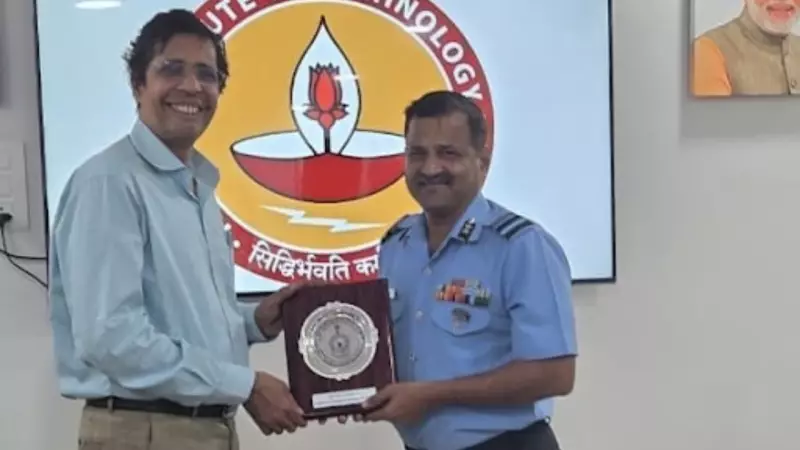
In a significant push for self-reliance in defence technology, the Indian Air Force's Software Development Institute (SDI) in Bengaluru has entered a strategic partnership with the prestigious Indian Institute of Technology, Madras (IIT-M). The collaboration, formalized through a Memorandum of Understanding (MoU), is aimed at the joint design and development of a completely indigenous digital secure communication system for airborne applications.
Forging a Path to Self-Reliance in Defence Tech
The Ministry of Defence (MoD), announcing the partnership, stated that the initiative seeks to strengthen India's operational capabilities in modern networked warfare while reducing dependence on imported systems. This move is a direct alignment with the Government of India's Atmanirbhar Bharat and indigenisation drive in defence procurement.
The MoU was signed by Air Vice Marshal R Guruhari, Commandant of SDI; Prof V Kamakoti, Director of IIT-M; and MJ Shankar Raman, CEO of the Pravartak Technologies Foundation, which facilitates technology translation at the institute.

Focus on Advanced Algorithms and Secure Networks
Under this collaboration, the teams from SDI and IIT Madras will concentrate on creating advanced algorithms for networking and encryption specifically tailored for dynamic airborne environments. The MoD highlighted that such systems are vital for secure, reliable, and high-performance data exchange during military operations where aircraft function as nodes in integrated combat networks.
Key focus areas for the joint programme include:
- Secure data transmission protocols
- Advanced encryption standards
- Scalability of airborne networks
- Resilience against cyber and electronic threats
- Seamless integration with existing defence systems
Air Vice Marshal Guruhari emphasized that the partnership merges academic research prowess with hands-on operational experience, creating a direct pathway to develop deployable, mission-ready solutions. Prof. Kamakoti added that IIT-Madras would contribute its deep expertise in advanced communications and cybersecurity to build robust military-grade systems.
Expected Outcomes and Broader Impact
The collaboration is expected to yield working prototypes that can support future Indian Air Force operations, thereby enhancing technological sovereignty and the resilience of India’s defence communications architecture. This project adds to IIT Madras's growing portfolio of defence R&D engagements, which span aerospace, artificial intelligence, and materials science.
Ultimately, this partnership is more than a single project; it is a step towards nurturing a robust indigenous defence industrial ecosystem, ensuring that critical technologies are developed within the country to meet the unique challenges of modern warfare.