In a significant move aimed at reducing electricity costs for consumers, the Indian government is planning a major expansion of Artificial Intelligence (AI) applications within the nation's power distribution networks. This strategic initiative, spearheaded by the Ministry of Power, seeks to harness cutting-edge technology to enhance efficiency, predict demand, and ultimately lower power bills across the country.
National Conference to Drive AI Adoption
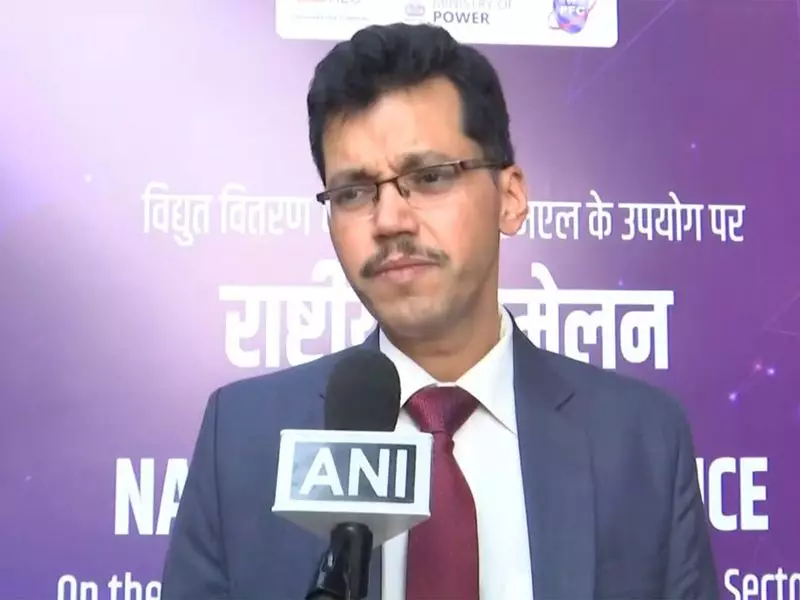
The plan will be formally unveiled at a national conference scheduled for July 3, 2024. The event, organized by the Ministry of Power, is designed to bring together key stakeholders from the power sector. According to a senior ministry official, the conference will focus on showcasing successful AI use cases and developing a roadmap for wider implementation. The goal is to create a collaborative platform where distribution companies (discoms) can learn from existing pilots and adopt best practices.
Power Minister Manohar Lal Khattar is expected to chair the conference, underscoring the high-level political commitment to this technological transformation. The ministry believes that integrating AI solutions is no longer optional but a necessity for the financial and operational health of the power distribution sector.

Tackling High Losses and Improving Efficiency
The core motivation behind this push is the urgent need to address the persistent challenges plaguing India's distribution networks. Aggregate Technical and Commercial (AT&C) losses remain a critical concern, with many discoms suffering from inefficiencies that lead to revenue shortfalls. These losses often translate into higher tariffs for consumers.
AI technology offers powerful tools to combat these issues. Potential applications identified by the ministry include:
- Predictive analytics for demand forecasting, allowing for better power procurement planning and reduced costs.
- AI-driven analysis of smart meter data to detect anomalies, pinpoint theft, and identify technical losses in the grid.
- Optimizing maintenance schedules for transformers and other infrastructure, preventing failures and improving reliability.
- Dynamic pricing models that can incentivize off-peak consumption, flattening the demand curve.
By implementing these solutions, discoms can improve their financial viability, which is a prerequisite for sustaining affordable electricity prices. The official emphasized that the use of AI is envisioned as a tool to empower discoms, making them more resilient and consumer-friendly.
Building on Existing Pilots and Future Roadmap
The July conference will not be starting from scratch. Several utilities and startups have already initiated pilot projects using AI for specific tasks. The national meet will highlight these case studies, providing a practical evidence base for other discoms. The ministry aims to facilitate knowledge sharing and potentially scale up the most successful models.
The broader roadmap involves creating a supportive ecosystem for AI adoption in the power sector. This could include developing common data standards, ensuring cybersecurity for critical infrastructure, and encouraging public-private partnerships. The initiative aligns with the government's larger vision for a 'Digital India' and a modern, efficient energy sector.
If successfully implemented, the wider integration of AI holds the promise of a dual benefit: strengthening the finances of struggling distribution companies and providing tangible relief to consumers through reduced electricity bills. The upcoming conference marks a pivotal step in turning this technological potential into on-ground reality for India's power sector.