

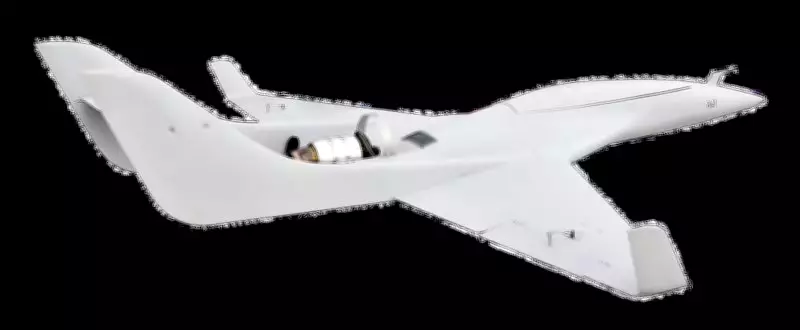
Indian company SMPP has successfully completed the delivery of 100 'kamikaze' drones to the Indian Army, marking a significant milestone in India's unmanned warfare capabilities. The delivery follows successful user trials in which the product, named 'Peacekeeper-Agniveg', demonstrated an operational range of about 180 kilometres while operating in a heavily jammed and spoofed environment, according to a statement issued by the company.
Advanced Strike Capabilities
The kamikaze drone is designed to engage high-value targets deep inside enemy territory. Combining long-range reach, precision strike capability, and the ability to strike at high speeds, the system provides the Indian Army with a flexible and cost-effective option for prosecuting time-sensitive targets while reducing risk to personnel. The induction of the drone comes at a time when modern warfare is increasingly being shaped by precision-guided unmanned systems capable of delivering significant battlefield effects at a fraction of the cost of conventional strike platforms. The system bridges the capability gap between conventional artillery and long-range missile systems, providing commanders with a new layer of precision strike capability.
Indigenous Defence Manufacturing
Ashish Kansal, CEO and Director of SMPP, stated, 'The successful completion of deliveries to the Indian Army in a short time frame of six months is a significant milestone for SMPP and for India's indigenous defence manufacturing ecosystem.' He added that the drone will be a critical force multiplier on the battlefield. 'SMPP remains committed to delivering indigenous solutions that enhance the operational effectiveness of the armed forces,' Kansal said.

Technical Specifications
With an operational range of 180 kilometres and speeds of up to 450 kmph, the kamikaze drone is capable of conducting autonomous precision strike missions against critical military infrastructure, logistics hubs, command centres, radar installations, and other strategic targets. Designed to operate in contested electromagnetic environments, the system can continue mission execution despite hostile electronic warfare measures, including jamming and spoofing attempts. This capability ensures that the drone remains effective even in the most challenging operational scenarios.






