

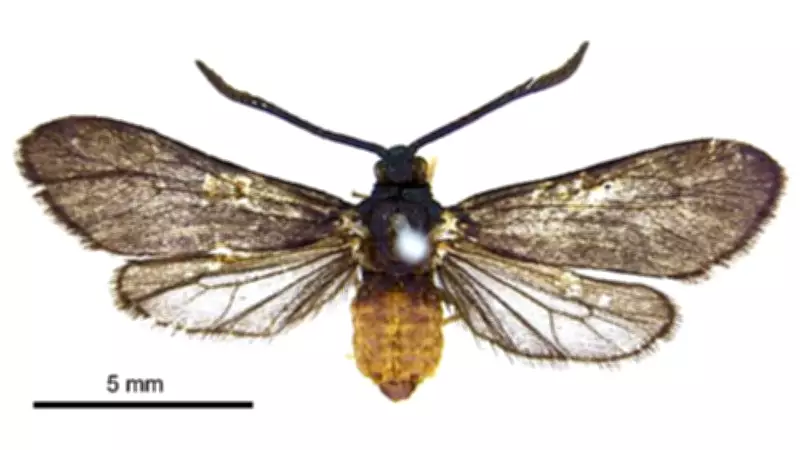
The introduction of an invasive fly species in Fiji as a biological pest control measure has become a cautionary tale in conservation studies. Fijian authorities aimed to protect coconut plantations by introducing parasitic flies, but this led to the extinction of a native moth species. This case underscores the threats that invasive species and biological control can pose to ecosystems and species survival.
How the Biological Control Programme Failed
In the twentieth century, Fiji's coconut industry suffered from insect attacks that reduced crop yields. Scientists introduced the parasitic fly Bessa remota to combat the moth Levuana iridescens, whose caterpillars fed on coconut leaves. Initially, the programme seemed highly effective, dramatically reducing moth populations and allowing coconut plantations to recover. However, years later, ecological costs became apparent.
Extinction of the Fiji Coconut Moth
A study titled "Phylogenetic position of the 'extinct' Fijian coconut moth, Levuana iridescens (Lepidoptera: Zygaenidae)" analyzed historical data, museum specimens, and ecological information. It concluded that the moth likely went extinct due to the introduction of Bessa remota. Scientists stated: "Strong evidence is provided that Levuana iridescens is extinct and that biological control was the cause." This is a rare instance where a biological control agent drove a target species to extinction, as most programmes aim to reduce, not eradicate, pest populations.

Why Island Ecosystems Are Vulnerable
Island ecosystems often host unique species that evolved without external threats, lacking defenses against new predators or parasites. According to the International Union for Conservation of Nature (IUCN), invasive alien species are major drivers of biodiversity loss globally. In Fiji, a single parasitic fly disrupted centuries-old ecosystems, turning an agricultural solution into an ecological disaster. Researchers emphasize that islands are particularly susceptible to such impacts.
Lessons for Modern Conservation and Pest Management
The history of Levuana iridescens continues to influence biological control debates. Today, programmes undergo rigorous testing, assessing host specificity, ecological consequences, and risks before introduction. Conservation biologist Mark Hoddle notes: "Control of target pests aims to reduce population densities below harmful thresholds, not total eradication." Modern biological control integrates ecological risks, recognizing that protecting crops requires balancing multiple factors.
A Lasting Reminder of Unintended Consequences
The extinction of the Fiji coconut moth serves as a powerful example of how environmental actions can yield unpredictable results. In trying to protect coconut farms, people lost a unique species. This lesson is vital for researchers, conservationists, and policymakers: pest control demands comprehensive understanding of ecosystem interconnections. Amid concerns over invasive species, biodiversity loss, and ecosystem resilience, the story of Fiji's flies remains a key case study in conservation biology.
About the Author
TOI Science Desk: A team of journalists exploring discoveries in science, from genetic engineering to space exploration, making science accessible and engaging for all readers.






